About Us
Migration is produced, not given.
In registration systems and statistics, in institutions and in discourse, migration and the categories that order it are made rather than found. NGHM reads the historical record for the classifications that produced it.
Research lines
See projects →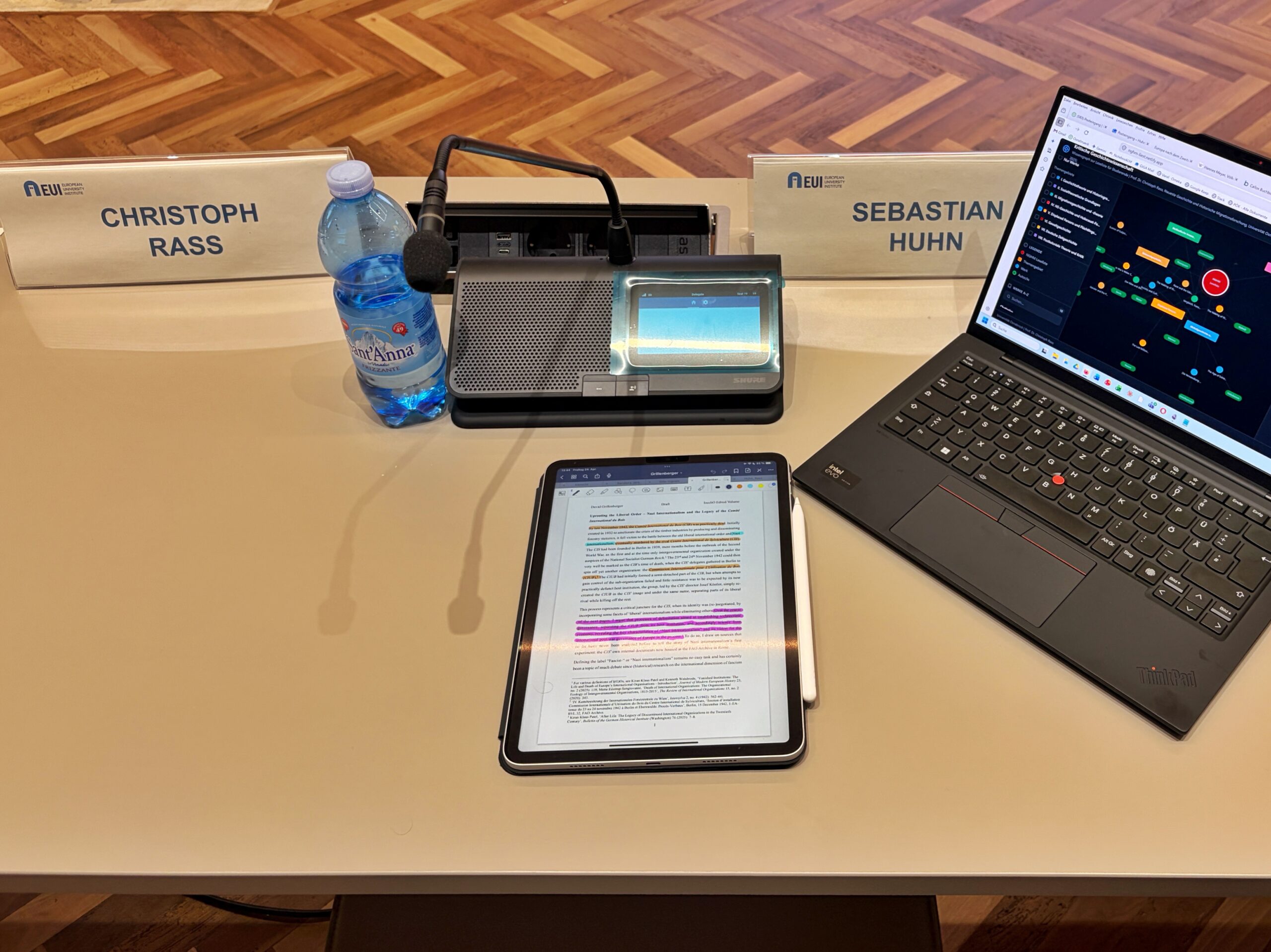 01
01The biography of mobility, and the regimes that sort it
We study how migration is negotiated within migration regimes, between individuals and the institutions that classify them, model mobility from life-course data, and trace how organizations turn people into data.
 02
02Knowledge, rule, and the record of violence
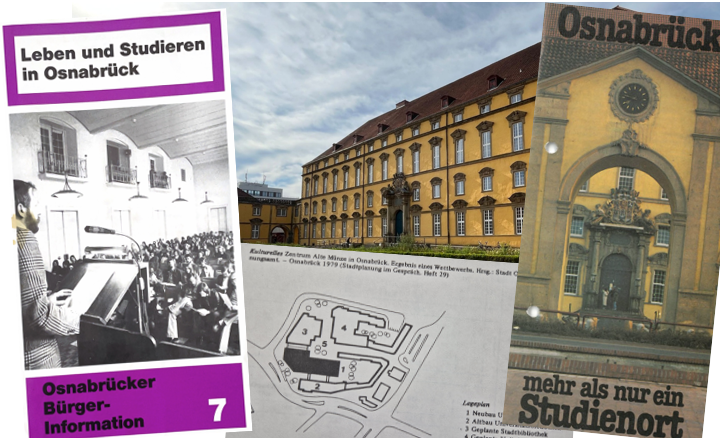
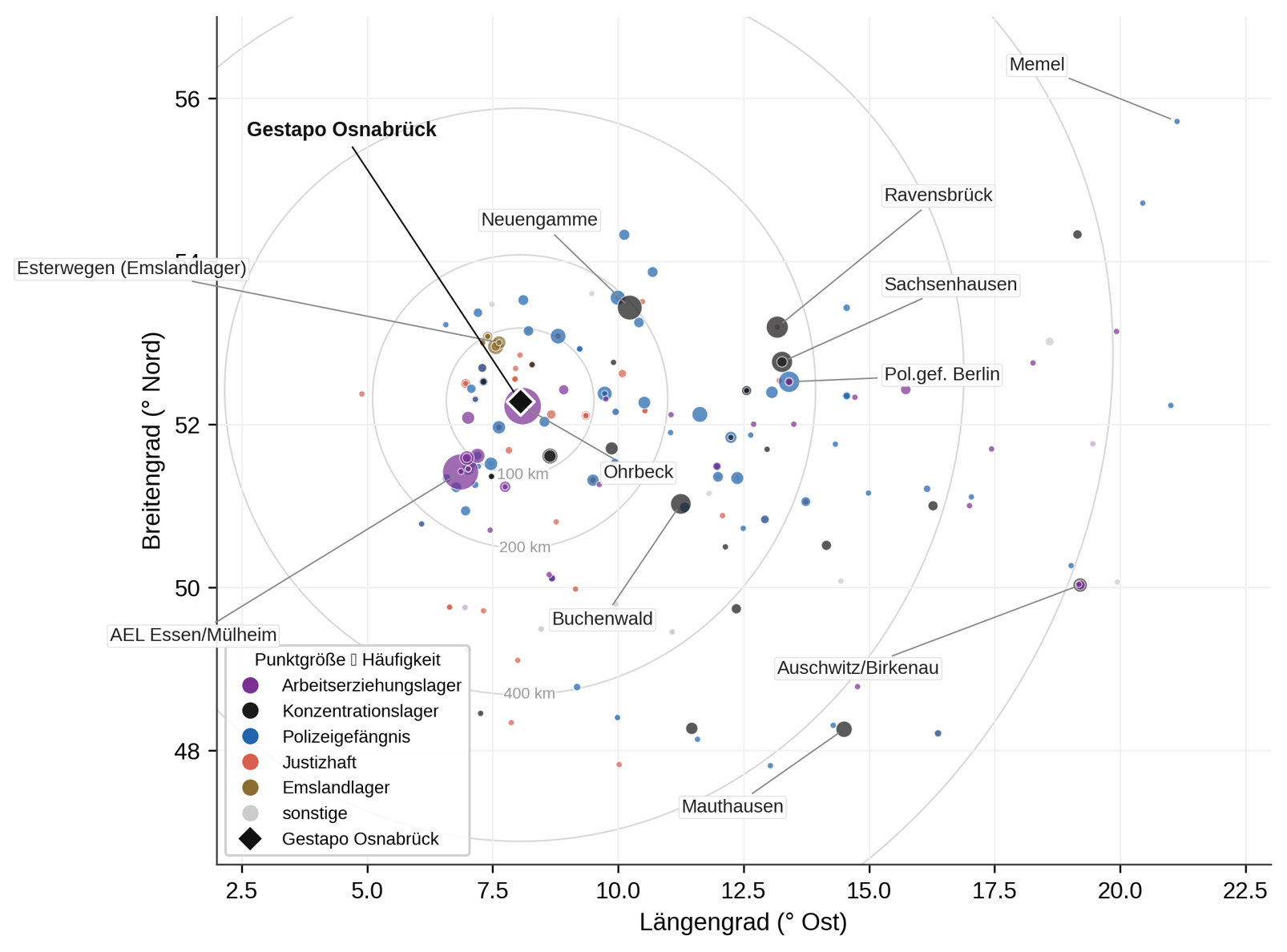
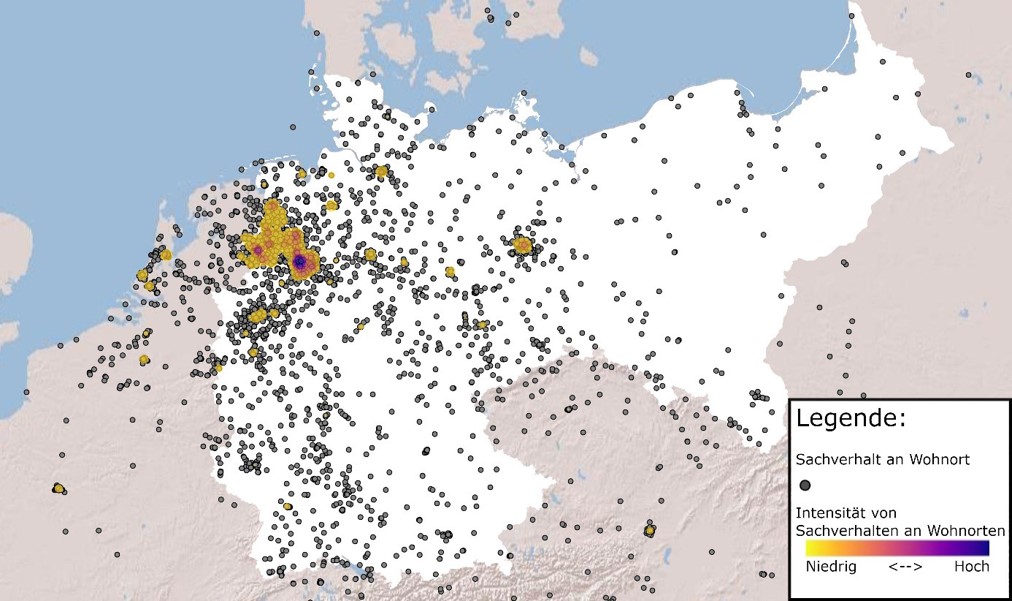
We analyze the social profiles of perpetrator and victim groups and the institutions behind them. Person-related mass records, among them the Osnabrück Gestapo card index, are read for what their categories did.
 03
03The method that connects the fields
Across both fields we work with person-related historical mass data, GIS-based analysis and visualization, and public history. Historical data is treated not as a window onto the past but as the trace of the classifications that produced it.
Projects & fields
On the blog → A3
A3Ihr seid Gastarbeiterkinder! Scholarship, schooling, and figures of migration
Subproject A3 of the DFG Collaborative Research Centre 1604, with Lale Yildirim, asks how educational discourse produced figures such as the Gastarbeiterkind, working from a large corpus of school and scholarly texts.
 US
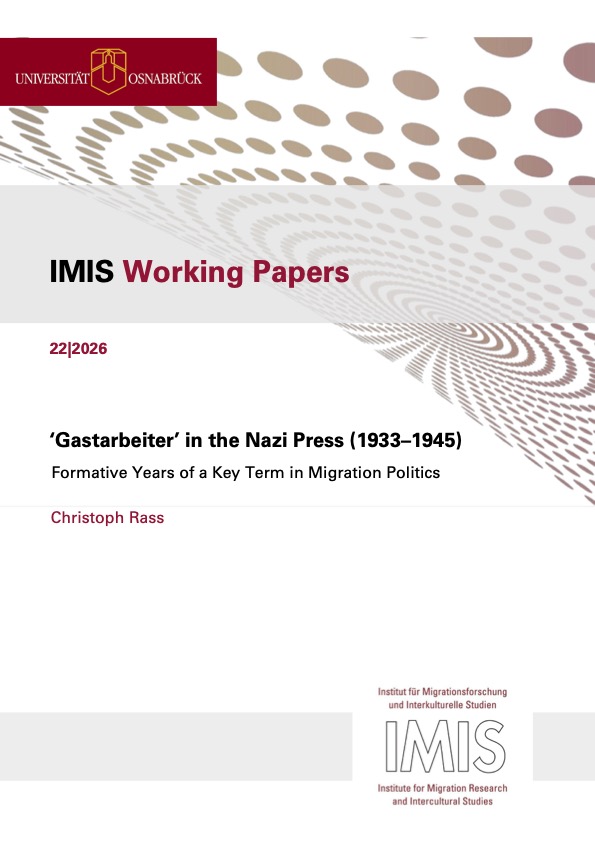
USThe guest worker and the Bracero Program
With Julie M. Weise: how states built systems to move labor across borders on a temporary basis, and how the guest worker was made as a category on both sides of the Atlantic.
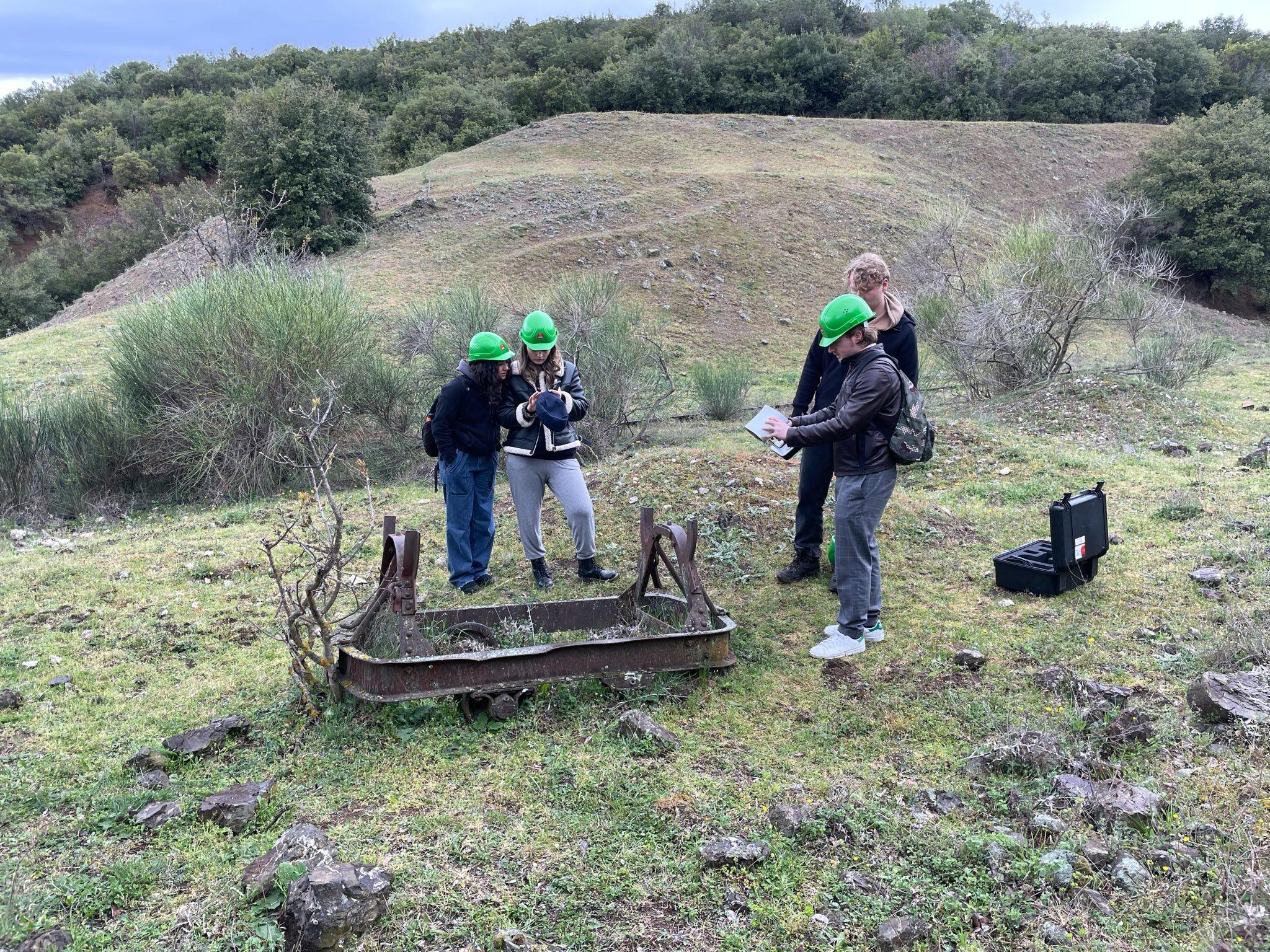 Fieldwork: documenting material traces in the landscape
 KL
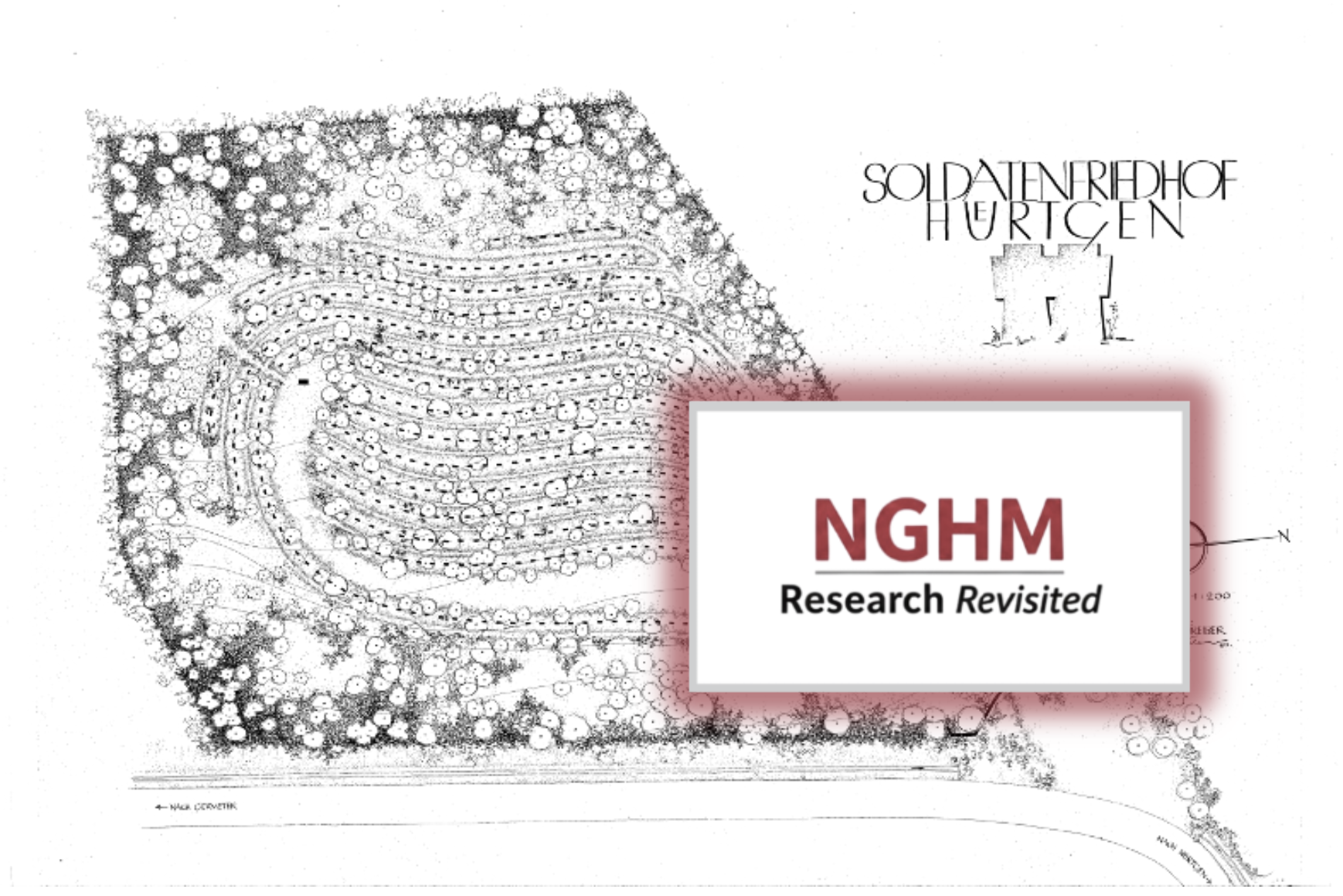
KLThe Hürtgenwald and the Emsland camps
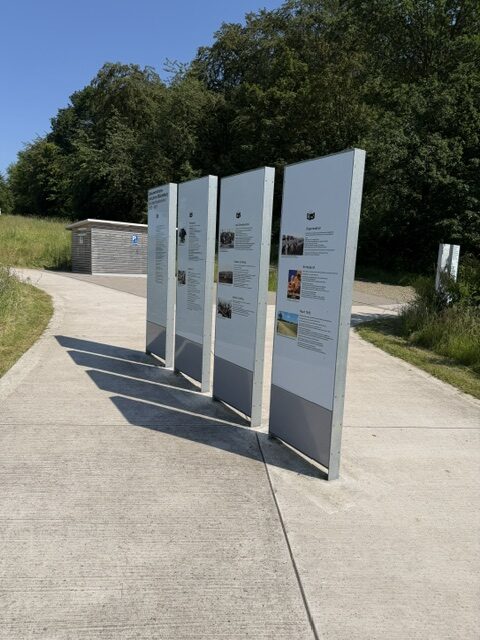
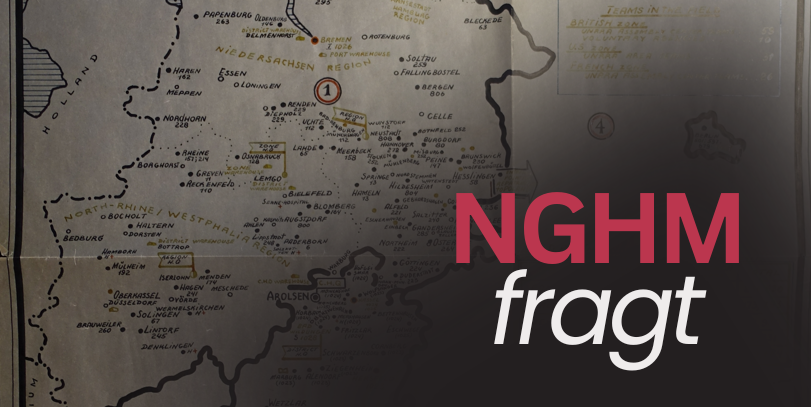
Battlefields and camp sites read as landscapes transformed by violence, where material traces and their later interpretation are studied together, with archaeology, GIS, and archival work.
 DP
DPInternational refugee policy after 1945
Working group Negotiating Resettlement, with Sebastian Huhn and Sebastian Musch: the global management of displacement in the wake of the forced migrations set in motion by the Second World War.
 DH
DHThe Osnabrück Gestapo card index
Person-related mass records digitized and analyzed for what their classifications made visible and what they did, a case where data-driven domination and the datafication of migration meet.