Skip to content
-
[nghm.de]
Research Group Modern History & Historical Migration Studies | Osnabrueck University Research Group Modern History & Historical Migration Studies | Osnabrueck University Research Group Modern History & Historical Migration Studies | Osnabrueck University

Please find our original Blog @ [https://nghm.hypotheses.org]

Research Group Modern History & Historical Migration Studies | Osnabrueck University Research Group Modern History & Historical Migration Studies | Osnabrueck University Research Group Modern History & Historical Migration Studies | Osnabrueck University

Please find our original Blog @ [https://nghm.hypotheses.org]

  • Home
  • About Us
  • Impressum
  • Home
  • About Us
  • Impressum
Close

Search

Home/About Us

About Us

About NGHM

Migration is produced, not given.

In registration systems and statistics, in institutions and in discourse, migration and the categories that order it are made rather than found. NGHM reads the historical record for the classifications that produced it.

NNGHMOsnabrück University IMIS · SFB 1604

Research lines

See projects →
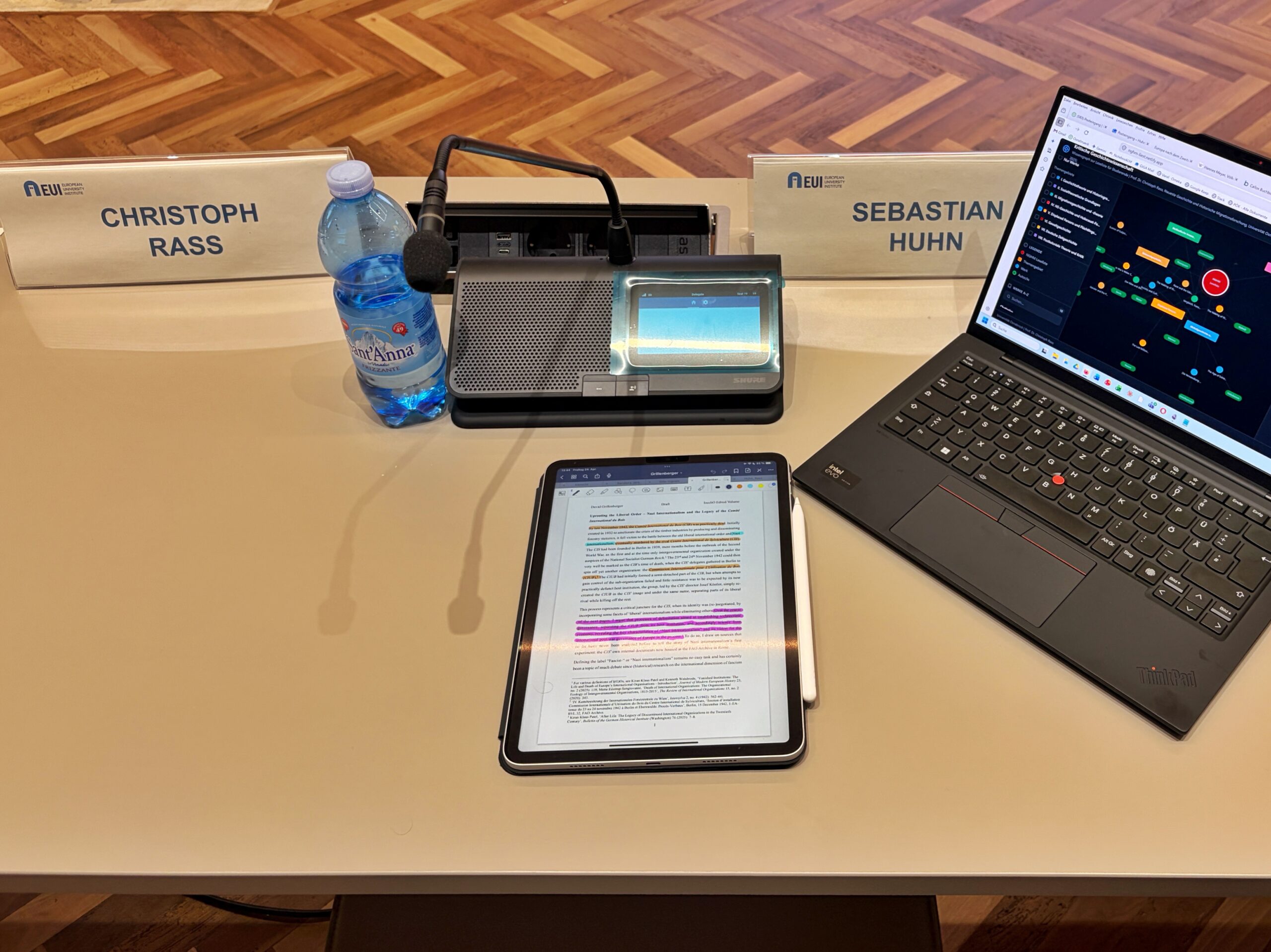
From ‘Hidden Legacies, Untidy Endings’ – notes from the InechO conference in Florence01
Historical Migration Research

The biography of mobility, and the regimes that sort it

We study how migration is negotiated within migration regimes, between individuals and the institutions that classify them, model mobility from life-course data, and trace how organizations turn people into data.
NNGHMOverview
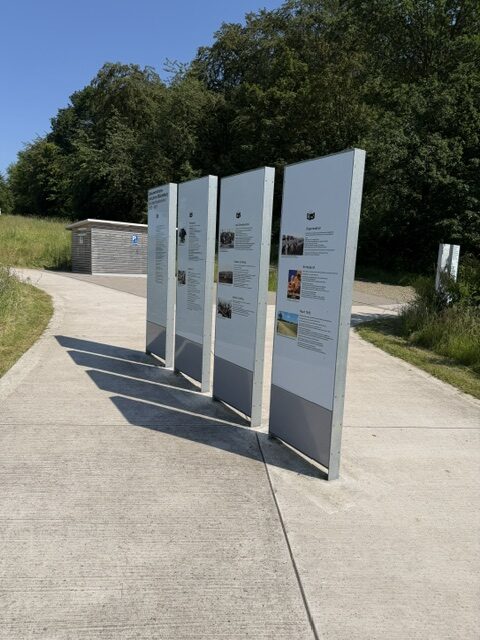
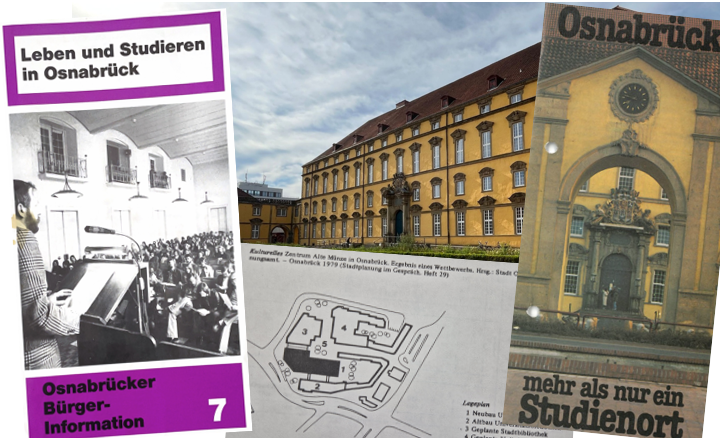
Memorial information panels, from the report on the ‘Volksgemeinschaft’ conference in Hameln02
History of Organized Violence

Knowledge, rule, and the record of violence

We analyze the social profiles of perpetrator and victim groups and the institutions behind them. Person-related mass records, among them the Osnabrück Gestapo card index, are read for what their categories did.
NNGHMOverview
Omeka digital history archive03
Digital History

The method that connects the fields

Across both fields we work with person-related historical mass data, GIS-based analysis and visualization, and public history. Historical data is treated not as a window onto the past but as the trace of the classifications that produced it.

NNGHMOverview

Projects & fields

On the blog →
Projects A3, A5 and T visiting the Deutsche Nationalbibliothek, Frankfurt am MainA3
SFB 1604 · Production of Migration

Ihr seid Gastarbeiterkinder! Scholarship, schooling, and figures of migration

Subproject A3 of the DFG Collaborative Research Centre 1604, with Lale Yildirim, asks how educational discourse produced figures such as the Gastarbeiterkind, working from a large corpus of school and scholarly texts.
CRChristoph Rass2024–2027
IMIS Working Paper 22/2026, ‘Gastarbeiter’ in the Nazi PressUS
Transatlantic history

The guest worker and the Bracero Program

With Julie M. Weise: how states built systems to move labor across borders on a temporary basis, and how the guest worker was made as a category on both sides of the Atlantic.
CRChristoph RassBook in preparation
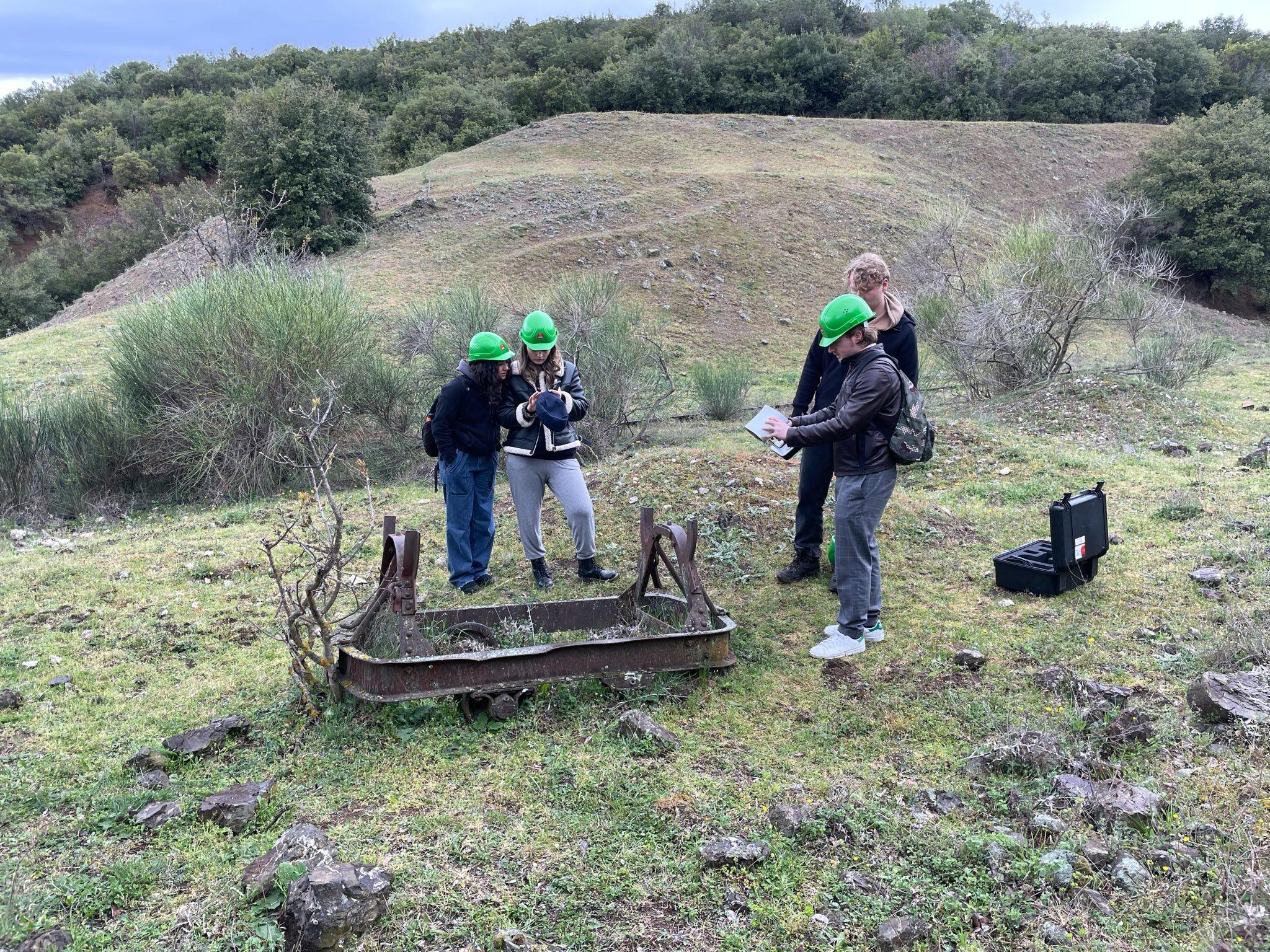
Fieldwork documenting material traces in a former conflict landscapeFieldwork: documenting material traces in the landscape
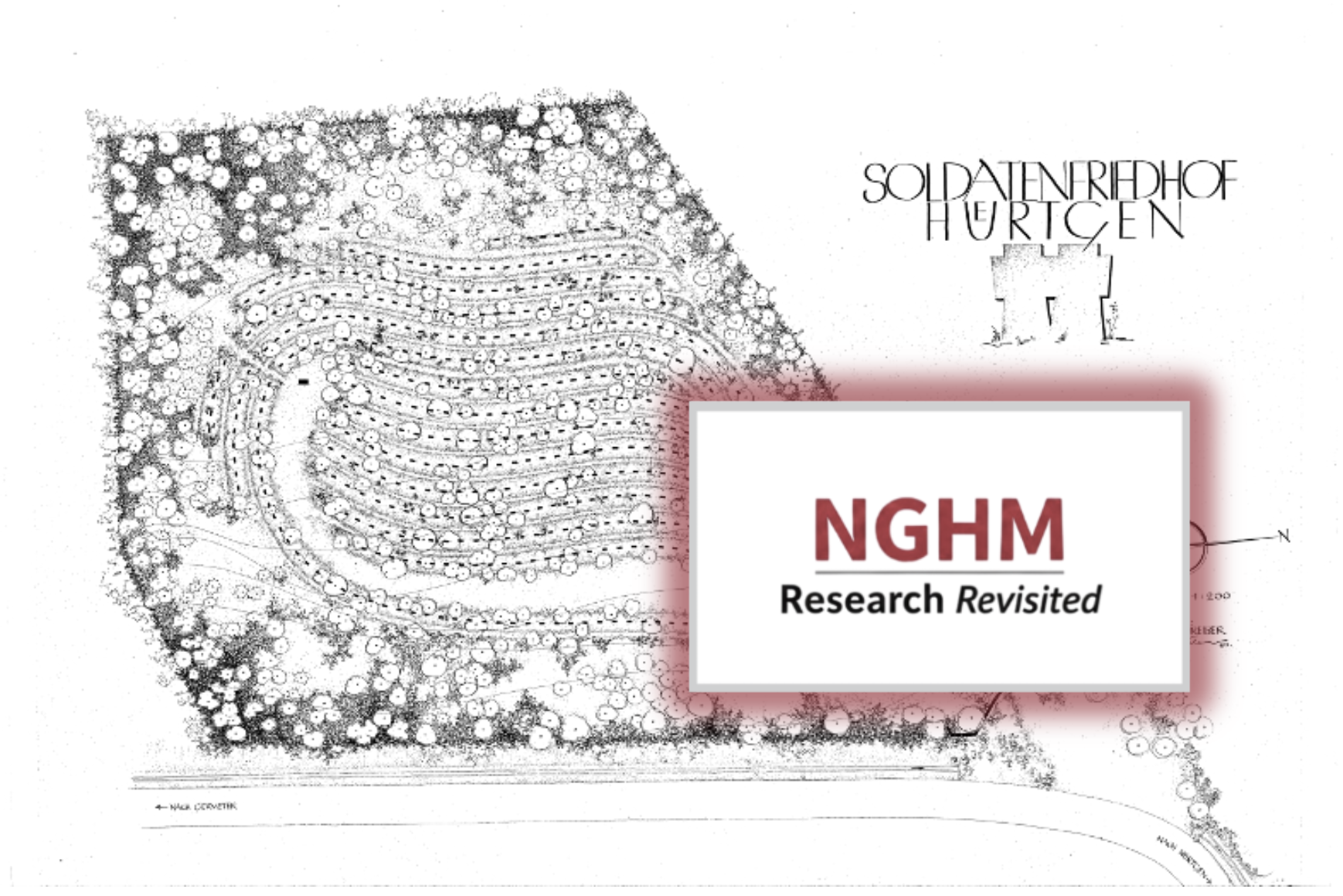
Plan of the Soldatenfriedhof HürtgenKL
Conflict Landscapes

The Hürtgenwald and the Emsland camps

Battlefields and camp sites read as landscapes transformed by violence, where material traces and their later interpretation are studied together, with archaeology, GIS, and archival work.
NNGHMWorking group · Christin Bobe
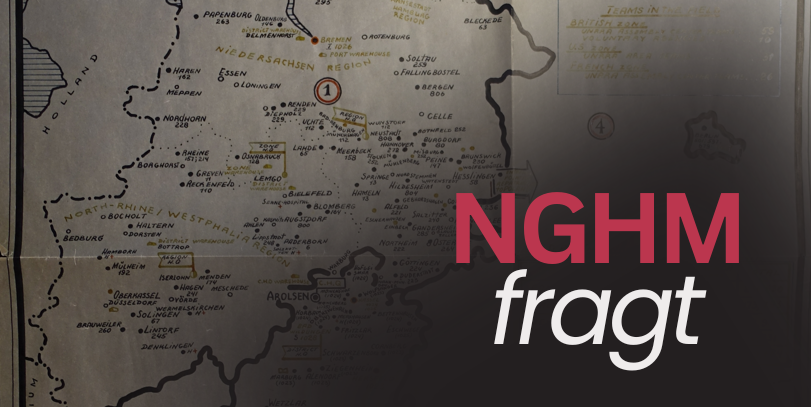
NGHM fragt: where are the memorial sites for Displaced Persons in Germany?DP
Displaced Persons

International refugee policy after 1945

Working group Negotiating Resettlement, with Sebastian Huhn and Sebastian Musch: the global management of displacement in the wake of the forced migrations set in motion by the Second World War.
NNGHMWorking group
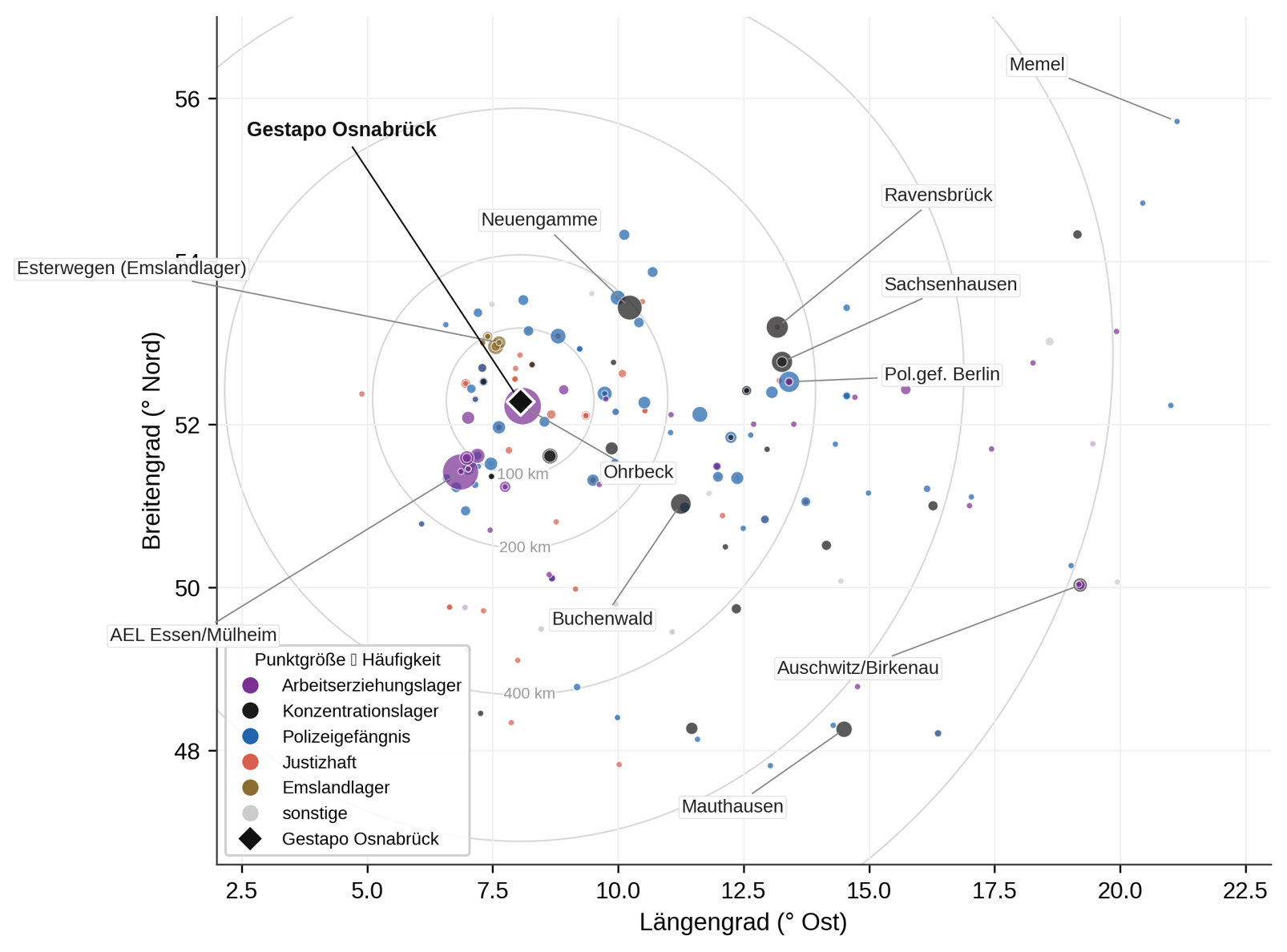
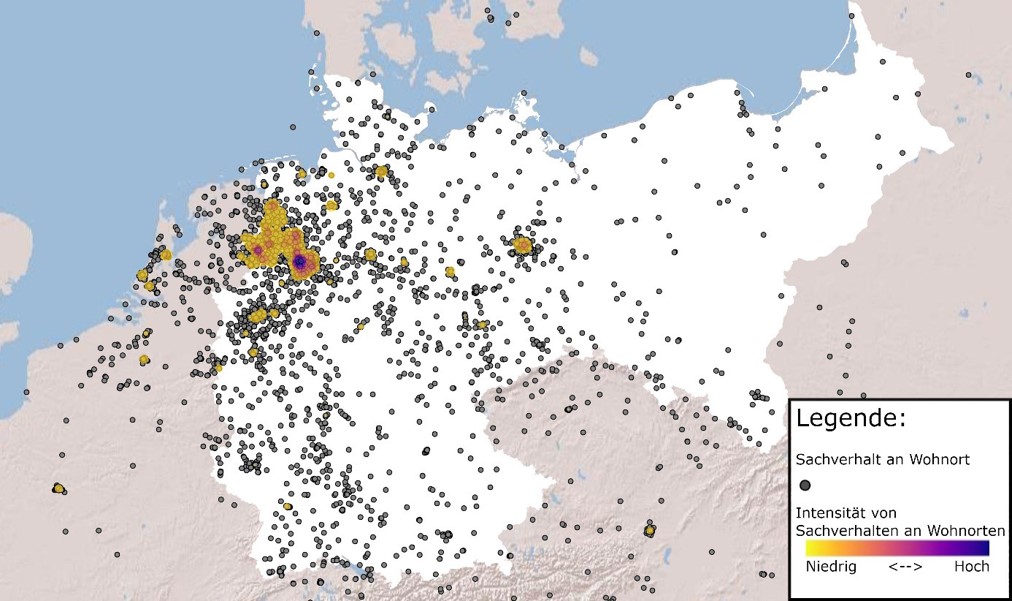
Network map of the Osnabrück Gestapo within the camp and prison systemDistribution map of Gestapo case records by place of residenceDH
Digital History

The Osnabrück Gestapo card index

Person-related mass records digitized and analyzed for what their classifications made visible and what they did, a case where data-driven domination and the datafication of migration meet.

NNGHMData-Driven History · Sebastian Bondzio
Read the research blog →
Christoph A. Rass

Christoph A. Rass

Professor
Modern History & Historical Migration Research

Rass has led the group since 2011, first as interim professor and, from 2015, as full professor (W3). The chair is a founding professorship of IMIS and an anchor professorship of the Historical Institute (HistOS). As a principal investigator in the Collaborative Research Centre 1604 he leads two projects on the production of migration. In 2022 he held the Carroll Professorship at the University of Oregon. He is on research leave through early 2027.

Profile Email

From the blog

  • NGHM liest
    Short pieces on the reading list of contemporary history and migration research.
  • Tiny Desk Kolloquium
    The group’s colloquium on work in progress and current projects.
  • NGHM-Tracker
    The monthly report on what the group is working on.
  • Billets
    Ongoing short posts and updates from across the working group.

Fields

  • Historical Migration Research →
  • History of Organized Violence →
  • Conflict Landscapes →
  • Digital History →
  • Public History →

Search the blog

Copyright 2026 — Research Group Modern History & Historical Migration Studies | Osnabrueck University . All rights reserved. Blogsy WordPress Theme