NGHM Research | From “Wasteland” to Climate Protector: New Cooperative Project with the Emsland Moormuseum Approved.

By TEAM NGHM · Originally published on nghm.hypotheses.org
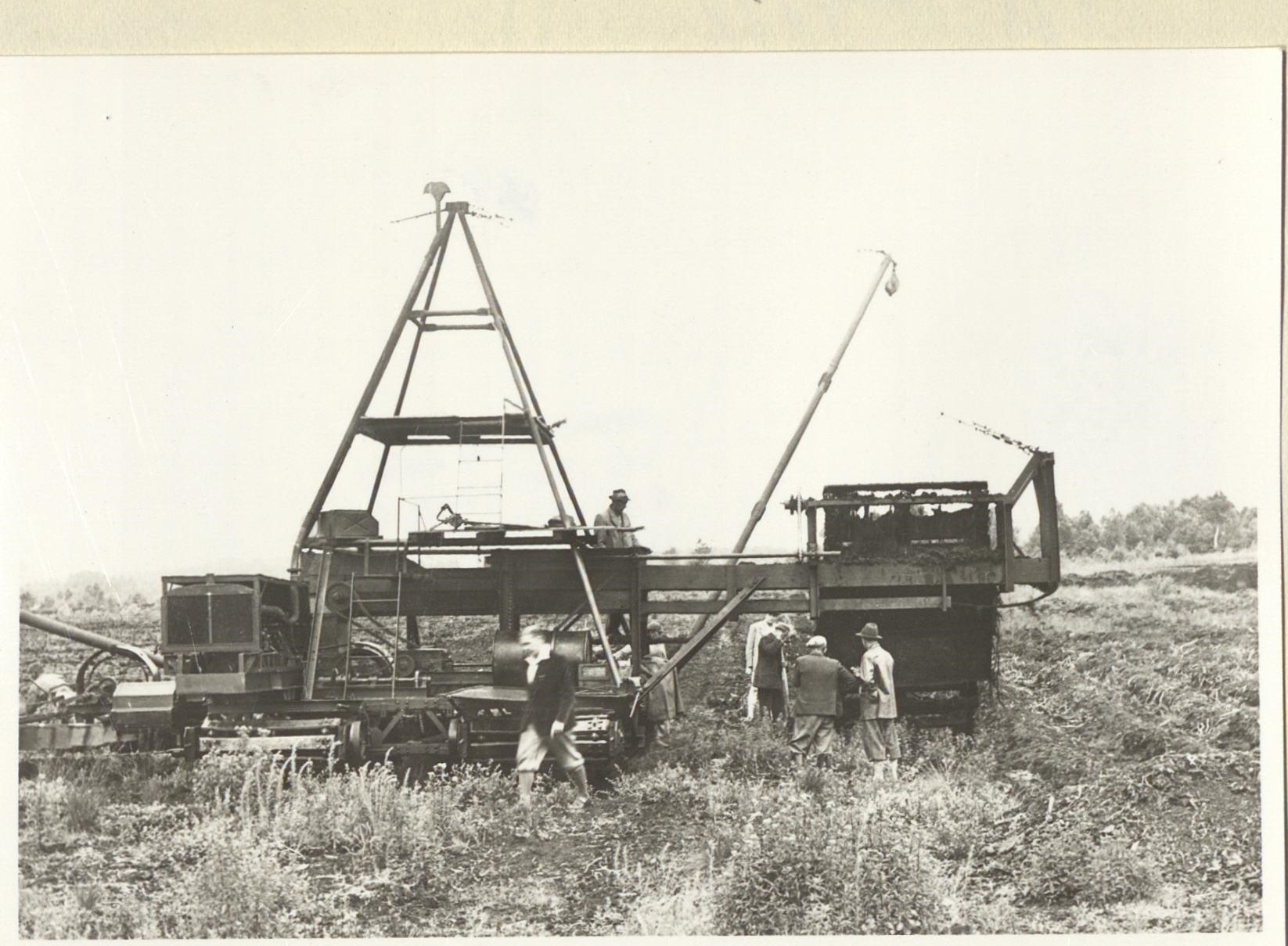
Around 1880, approximately fifty peat-processing operations were active in the moorland of north-western Germany; four decades later, there were over twelve hundred. In the same landscape where large-scale drainage, peat extraction, and cultivation continued into the 1980s, rewetting programmes are now underway—programmes whose rationale no longer derives from agricultural policy but from climate science: peatlands cover only three to four percent of the world’s land surface, yet store approximately one third of all carbon held in soils. What was regarded for a century as the reclamation of wasteland is now considered the destruction of an environmental resource. How a society achieves such a reversal of direction is, not least, a historical question.
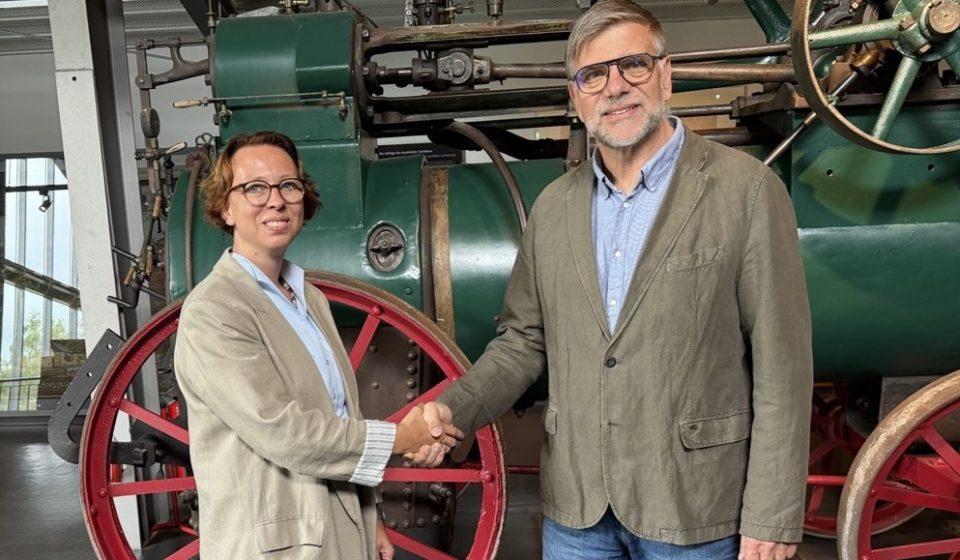
In August 2026, the Lower Saxony Ministry of Science and Culture approved a project within the framework of the Pro*Niedersachsen programme that takes precisely this as its starting point. »Moorlandschaften als Interventionsräume« [»Peatland Landscapes as Spaces of Intervention«] will examine, over the next three years, the socio-ecological transformation of the Bourtanger Moor between 1945 and 2025. The project is being carried out by the Chair of Contemporary History and Historical Migration Research at the University of Osnabrück in collaboration with the Emsland Moormuseum in Geeste. Work begins in October.
Transformations of a Landscape
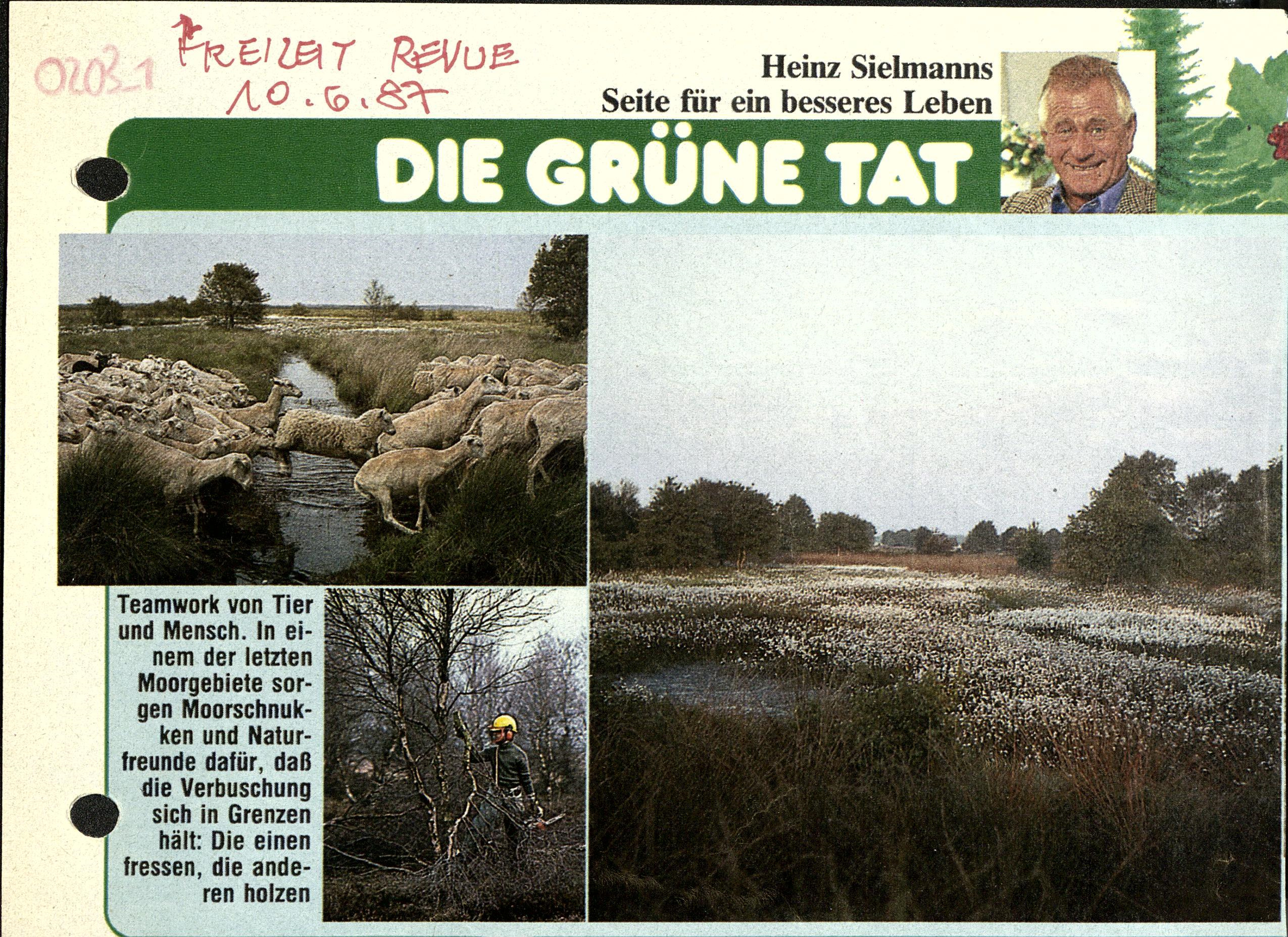
The Bourtanger Moor, which extends across the German-Dutch border, underwent two opposing transformations in the twentieth century. A phase of maximum development—during which settlement cooperatives, cultivation programmes, and ultimately the Emslandplan from 1950 onwards converted the landscape on a large scale into agricultural land—was followed from the 1970s by a movement in the opposite direction, driven by the environmental movement, European nature conservation policy, and the climate debate, ultimately leading to today’s rewilding efforts. Both movements were planned by state bodies, supported by scientific expertise, and legitimized through public discourse.
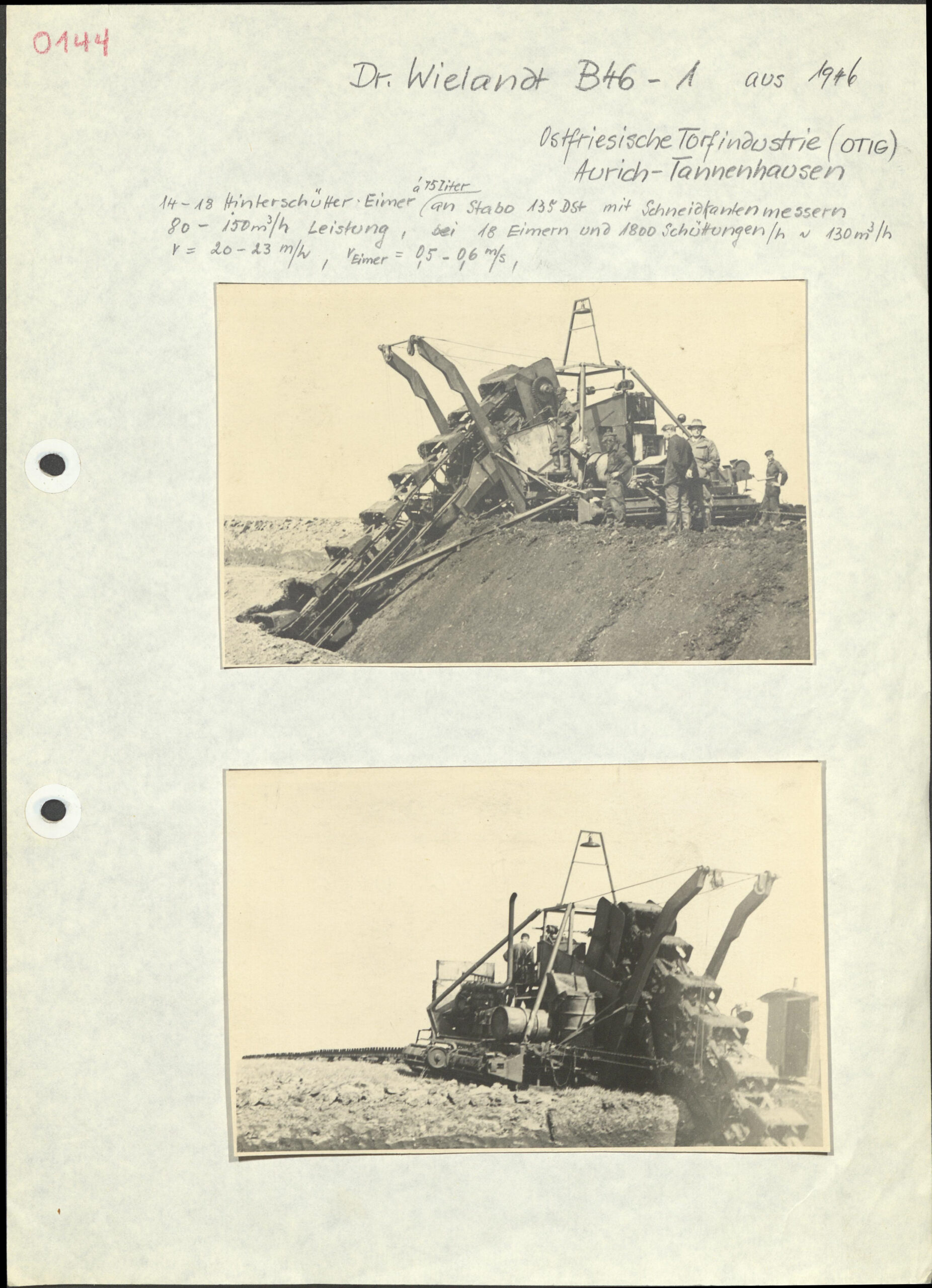
From this emerges the project’s guiding question: Under what conditions do democratic societies alter a development path once it has been embarked upon? The question is compelling precisely because the Federal Republic initially did the opposite after 1945. It adopted a cultivation programme whose basic features had been developed during the Weimar Republic and under National Socialism, intensified it, and justified it anew—this time invoking housing for expellees, employment, and the overcoming of a backwardness described as a »Notstandsgebiet« [depressed area]. Only two decades later did the interpretive framework begin to shift. Precisely when, through which actors, and against which forms of resistance? Establishing this is one of the project’s central concerns.
A view across the nearby border sharpens our analytical perspective: in the Netherlands, the rewilding of the Bargerveen began as early as the late 1960s, while comparable measures in Germany did not begin until the 1990s. Two societies, the same landscape, the same ecological starting conditions, a gap of two decades: this is a constellation in which the conditions for such shifts in direction can be studied with particular clarity.
Governance, Negotiation, Persistence
Theoretically, the project combines two concepts. The first, the »intervention landscape«, was developed by Thomas Bohn and his colleagues in the collaborative project »Polesien als Interventionslandschaft« [»Polesia as an Intervention Landscape«] for the Pripyat Marshes, and describes landscapes that are systematically made available through territorialization, planning, and optimization, without the planning ever fully succeeding. Until now, this concept has been applied primarily to authoritarian regimes. The Emsland makes it possible to direct the same analytical framework towards democratic planning processes and to examine whether and how governance changes when it is required to justify itself.
The second concept originates from the research group’s own work. The Interdisciplinary Working Group on Conflict Landscapes has since 2014 been examining sites shaped by violence in terms of the interplay between their material and discursive dimensions—that is, through the ongoing translation between the narrative of a landscape across past, present, and future on the one hand, and the social reality and material configuration of a landscape on the other. For the Emsland, this perspective is anything but abstract: because the cultivation of the peatlands here between 1933 and 1945 was bound up with the Emsland camps, in which forced labour in the bog served as a punitive instrument, this landscape contains a history of violence on which the Chair works in collaboration with the Esterwegen Memorial and the Emsland district authority. The new project extends conflict landscape research to encompass an environmental history case study in which negotiation manifests itself in planning processes, protest, and political programmes.
Both concepts are complemented by a model of path dependency, which explains why development paths persist even when their original preconditions have ceased to exist, and which employs the concept of the »critical juncture« to identify those moments at which they become open to negotiation. The combination of these three approaches constitutes the project’s central methodological wager: governance, negotiation, and persistence are not to be treated in sequence but rather reconstructed in their interplay across eight decades.
Records, Networks, Maps
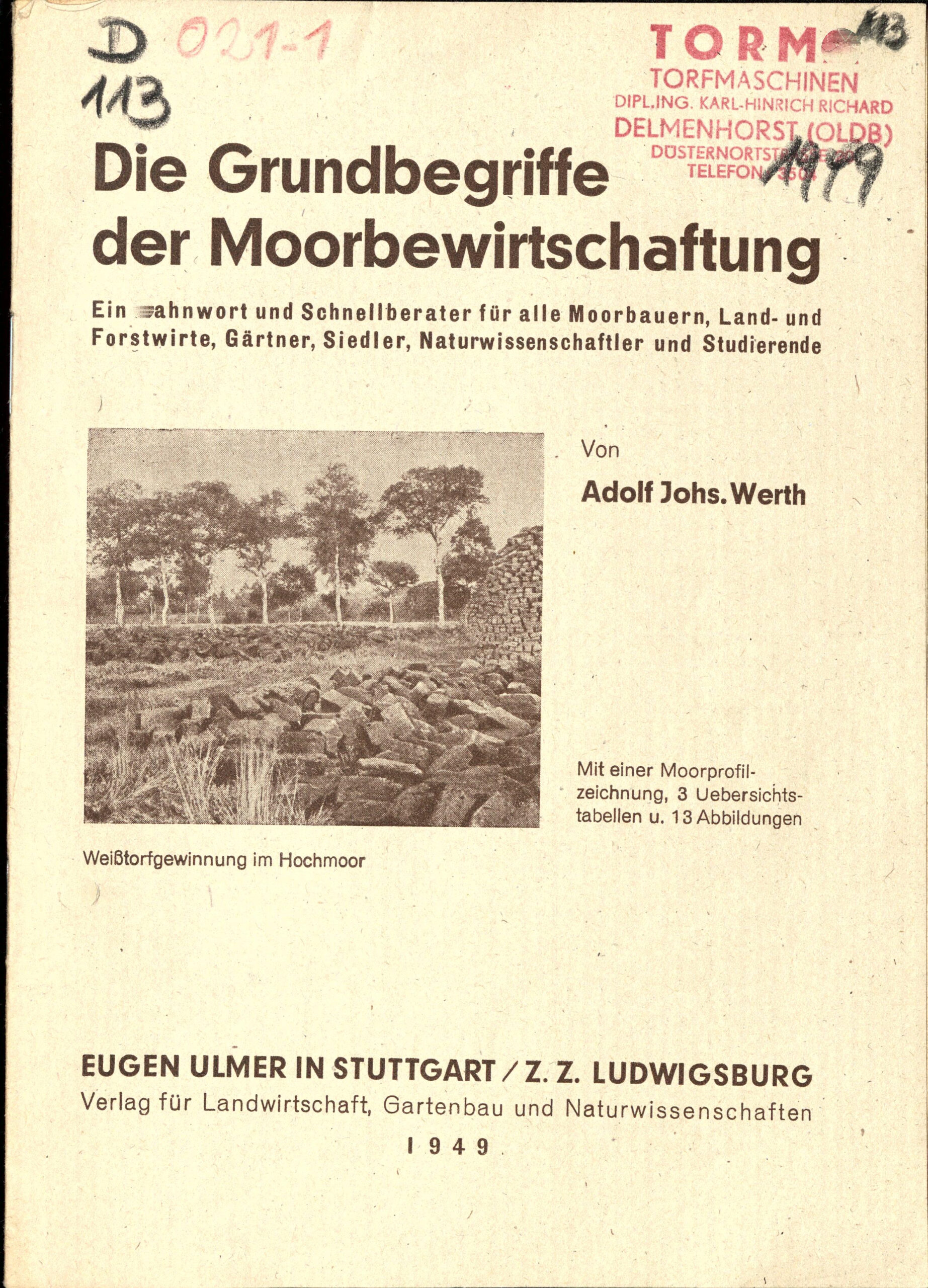
Empirically, the project draws on the collection of the Emsland Moormuseum, which, with approximately 18,500 objects and a specialist library of around 4,000 volumes, ranks among the most significant holdings on bog cultivation in Europe. It further draws on the Niedersächsisches Landesarchiv, the Kreisarchiv Emsland with its files on the Emsland Plan, the Geheimes Staatsarchiv Preußischer Kulturbesitz, and Dutch archival holdings at the Drents Archief in Assen. These are supplemented by specialist journals, the regional press, and a body of interviews with contemporary witnesses who experienced the transformation as workers, planners, or opponents.
We analyze this material by means of three interrelated approaches: a discourse analysis examines the planning, association, and press records; a network and collective biography captures the key actors at the interface of administration, scholarship, and industry; while a GIS-assisted reconstruction maps changes in land use across several chronological cross-sections. Only through the interplay of these three approaches can it be assessed whether the semantic shifts preceded the material ones, followed them, or whether both levels reinforced one another to such a degree that the question of what came before and what came after must be answered in more complex terms.
After the Richard Collection
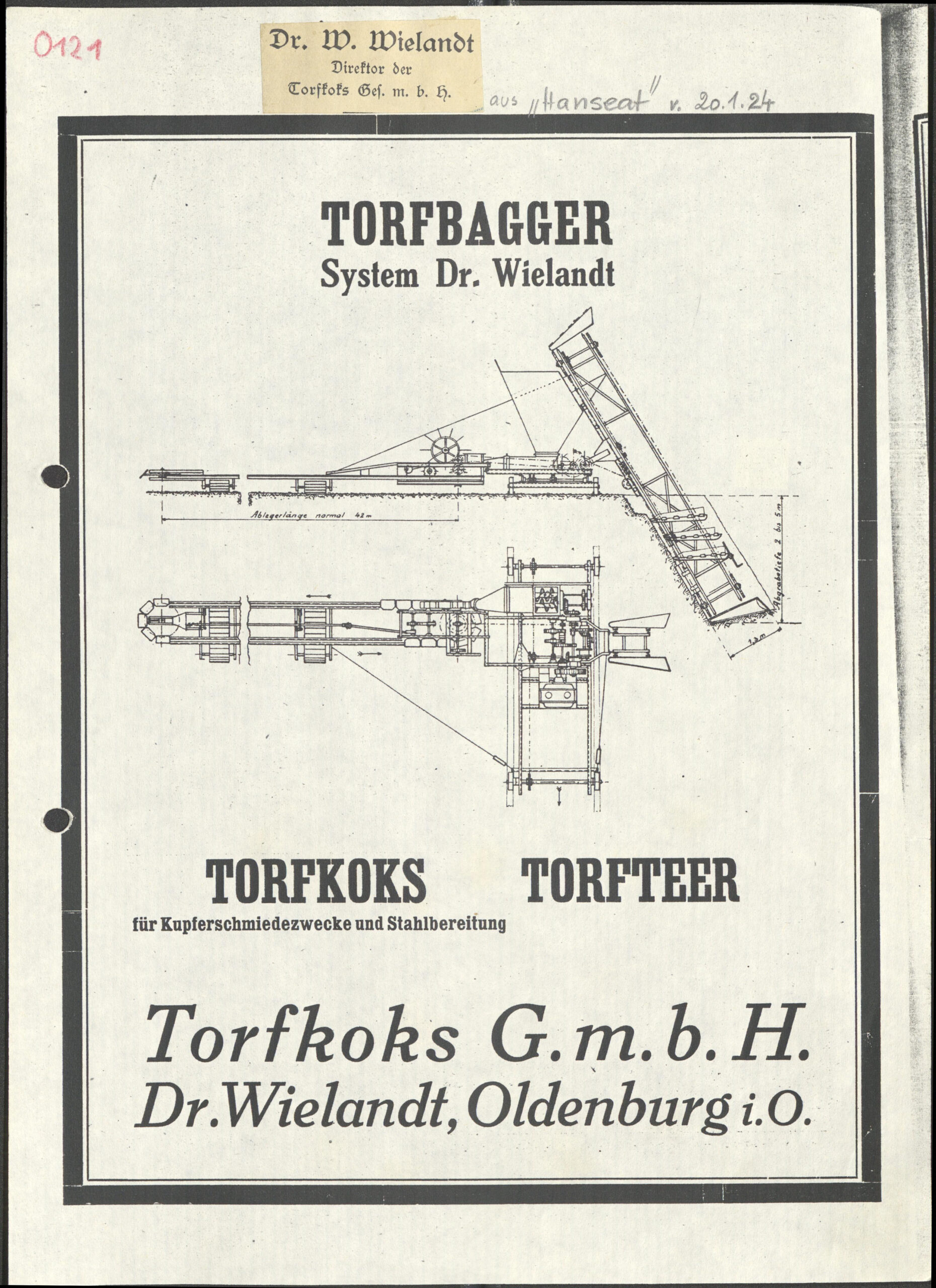
The project builds on an already established collaboration. Since 2024, the University and the Museum, likewise within the Pro*Niedersachsen program, have been cataloguing the estate of the engineer Karl-Hinrich Richard, which documents the technical development of peat extraction between 1950 and 1980 across more than fifty archival binders. What was revealed there concerning machinery, patents, and professional networks provides one of the empirical starting points for the new project.
On the Museum’s side, the collaboration is led by its director, Dr. Tanja Hasselberg, who has headed the Emsland Moormuseum since June 2025. The connection extends beyond the project itself: in the coming winter semester, she will take on a teaching appointment at the Historisches Seminar, enabling students at the University of Osnabrück to encounter museum practice not merely as a destination for excursions but as a professional field.
Project Launch in October 2026
The work begins with the holdings. The first months will be devoted to cataloguing the museum collection and conducting archival research, initially at the Kreisarchiv Emsland, whose files on the Emsland Plan are now accessible, and at the Niedersächsisches Landesarchiv; in parallel, a research database is being established in which the digitized sources will be consolidated and made available for subsequent analysis. The first interviews with contemporary witnesses are planned for the first project year, given that the generation which experienced the Emsland Plan as workers or planners cannot be consulted indefinitely.
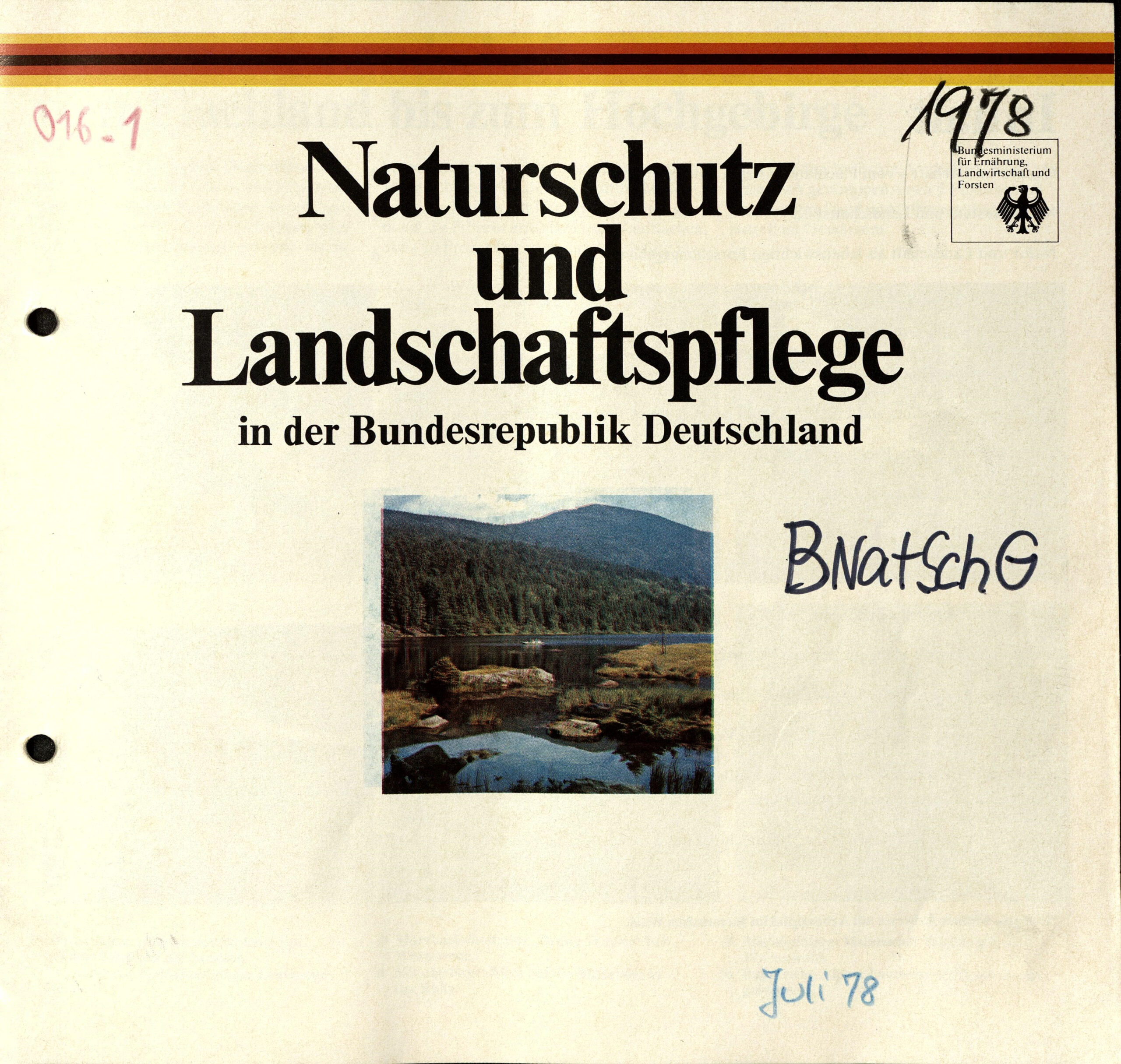
From this work, two special exhibitions will be developed at the Emsland Moormuseum, carrying the findings back to the place where they were gathered. The first, in the second project year, will present the results on postwar planning; the second, at the project’s conclusion, will address the question of the present and future of bog conservation. A museum with this collection is, for a project of this kind, not merely a source repository, but the place where the findings must be presented to a public that is familiar with the very landscape we are writing about.
Teaching will be built around both. Accompanying courses at the Historisches Seminar will introduce students to the project’s sources and methods, beginning with Dr. Hasselberg’s teaching appointment in the coming winter semester. As in the Richard project, the Emsland Moormuseum will offer internship placements. Topics for Bachelor’s and Master’s theses can be developed within the project framework, ranging from the peat industry and the history of settlement to the history of nature conservation in the region. Interested students are welcome to contact the NGHM professorship.
The Emsland is regarded as a region that has successfully managed structural change. To subject this narrative to historical scrutiny also means measuring it against its costs—both the ecological ones and those borne by people who were compelled to work in this landscape. Whether a case such as this allows conditions to be identified under which societies abandon paths already taken is something the project will have to demonstrate; in raising such questions, the project reaches beyond the immediate subject of the material transformation of the Emsland and its discursive production.
Find the original post at NGHM forscht | Vom »Ödland« zum Klimaschützer: Neues Kooperationsprojekt mit dem Emsland Moormuseum bewilligt. on nghm.hypotheses.org.
This post was automatically translated from the German original.