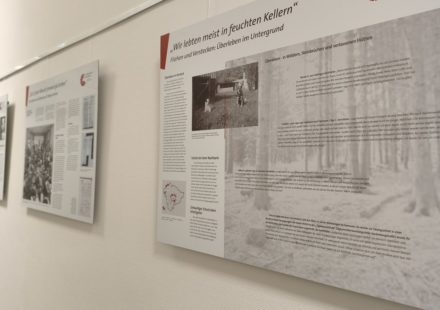
Gaps in the Culture of Remembrance | Between Commemoration and Repression. Panel Discussion on 1 October at the vhs Osnabrück.

Who decides what history remembers — and what it buries? On 1 October, a panel in Osnabrück examines gaps in remembrance culture around the Sinti and Roma genocide and post-1945 racist violence. — Translated from nghm.hypotheses.org
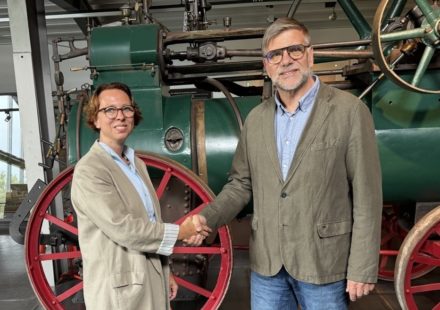
NGHM Research | From “Wasteland” to Climate Protector: New Cooperative Project with the Emsland Moormuseum Approved.
From "wasteland" to climate asset: peatlands now store a third of all soil carbon, yet were systematically drained for decades. A new approved project examines how—and why—societies reverse course so dramatically. — Translated from…
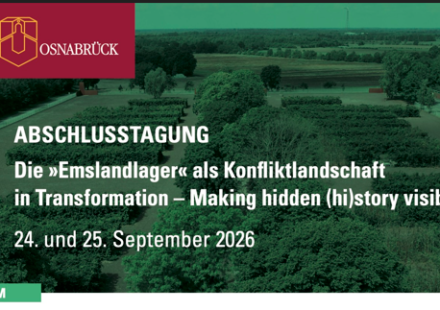
Closing Conference: “The ‘Emsland Camps’ as a Conflict Landscape in Transformation” on 24 and 25 September 2026
How do digitally dispersed histories of National Socialist camp sites become legible again? Our closing conference on 24–25 September 2026 presents new research, digital tools, and pedagogical approaches developed around the Emsland Camps ... —…
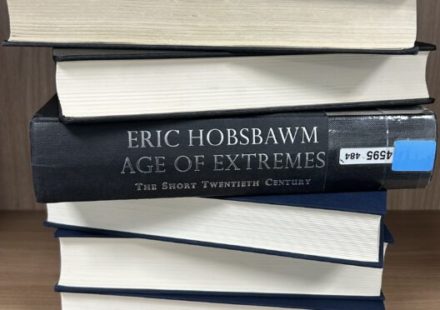
NGHM reads | Eric J. Hobsbawm: The Age of Extremes (1994)
Can a century that one has lived through oneself be captured by the means of historiography, and if so, at what price? Eric J. Hobsbawm's The Age of Extremes. The Short Twentieth Century, 1914–1991, the tenth title on the NGHM reading list from the…
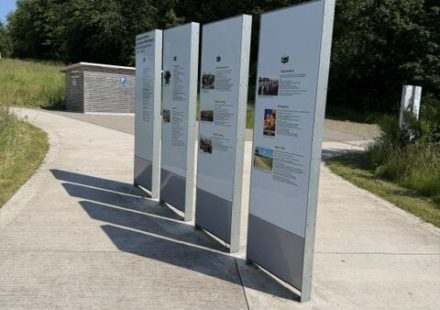
Production of ‘Volksgemeinschaft’. Notes on a Conference in Hameln
The conference From 18 to 20 June 2026, the Dokumentations- und Lernort Bückeberg invited participants to Hameln, to the premises of the Zedita, in cooperation with the Stiftung niedersächsische Gedenkstätten and the Institut für Didaktik der…
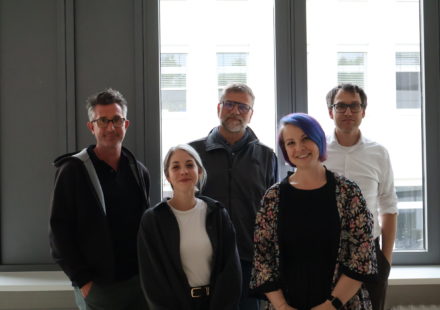
›Twice Displaced‹: Queer ›Displacement‹ in Post-War Europe, Lecture of 4 June
4th Alfred Landecker Lecture with Samantha K. Knapton (University of Nottingham) When Pierre Seel, having returned to Alsace in 1945 after the camp and the Wehrmacht, wrote decades later about his liberation, he articulated a sobering finding: the true…
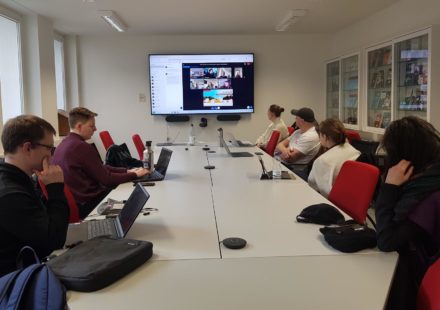
There and Back Again | Digital Excursion to the Neuengamme Concentration Camp Memorial
An excursion report by Jule Kumbrink As part of a digital day excursion, a group of students from the University of Osnabrück dedicated themselves on January 23, 2026, to the history and media engagement with the Neuengamme concentration camp. The…
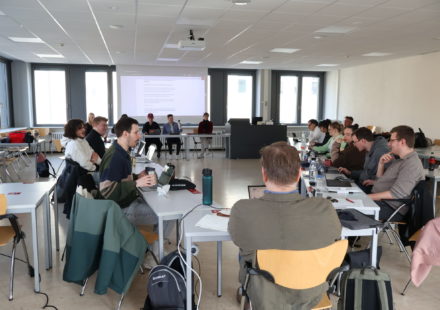
German Listeners!” – Students Develop Perspectives on Thomas Mann’s Radio Addresses
Student conference of the seminar "Deutsche Hörer! Thomas Mann's BBC Radio Addresses as a Source for Exile and Migration History" in the winter semester 2025/26. In the winter semester 2025/26, students at the University of Osnabrück examined Thomas…
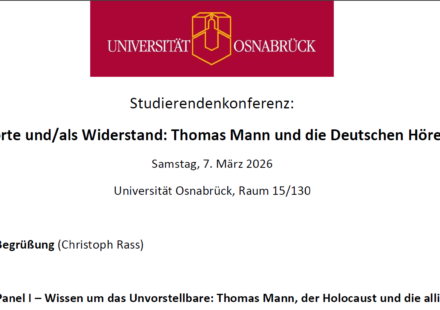
Student Conference Words and/as Resistance: Thomas Mann and the German Listeners
In the winter semester 2025/2026, the Chair of Contemporary History and Historical Migration Research is organizing a student conference as part of the block seminar "Words and/as Resistance: Thomas Mann and the German Listeners", conducted by Prof. Dr.…
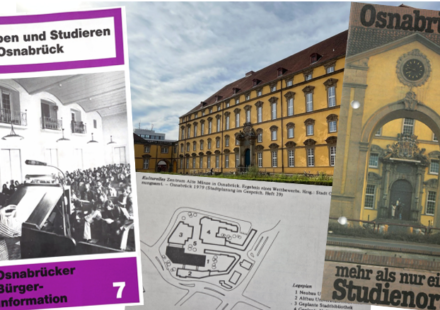
Online Now | Two New NGHM Exhibitions
What can we learn about local history when we read administrative files, index cards, and survey forms not merely as carriers of information, but as sources that were themselves involved in the production of knowledge about population, belonging, and…
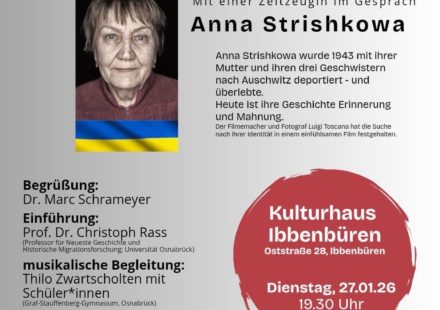
There and Back Again | Voice of History – Commemoration and Historical Scholarship in Ibbenbüren
On 27 January 2026 – the 81st anniversary of the liberation of Auschwitz – the Catholic School Pastoral Care Ibbenbüren invited to the commemoration event "Voice of History – Remembering for our Future" at the Cultural Centre. At the centre was the…
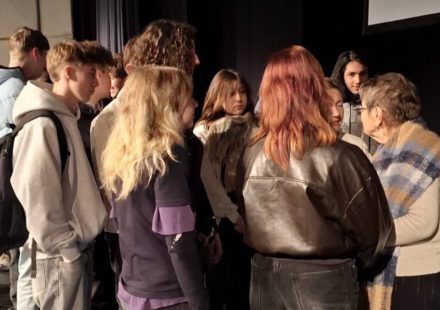
There and back again | Film Screening “Black Sugar – Red Blood” and Meeting with Anna Strishkowa
On 19 January 2026, students from the Chair of Contemporary History and Historical Migration Research attended a film screening at the Bürgerhaus Ibbenbüren. The documentary film "Black Sugar – Red Blood" by Luigi Toscano about the life of Auschwitz…
Osnabrücker Mitteilungen Vol. 130 published | NGHM team represented once again
In December, the Association for History and Regional Studies of Osnabrück reported on its blog about the publication of the latest volume of the Osnabrücker Mitteilungen. In this year's edition, the Research Group Contemporary History and Historical…
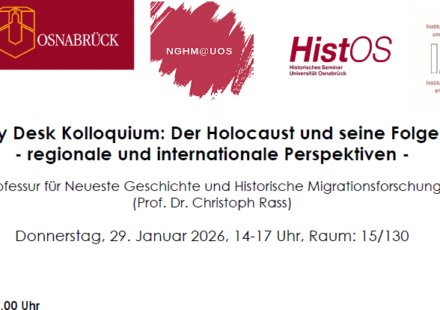
Announcement: Tiny Desk Colloquium on 29 January 2026: The Holocaust and its Consequences – Regional and International Perspectives
On January 29, 2026, the fifth edition of the NGHM Tiny Desk Colloquium will take place. Once again, young historians from the University of Osnabrück will have the opportunity to present outstanding thesis papers, and our guests will have the chance to…
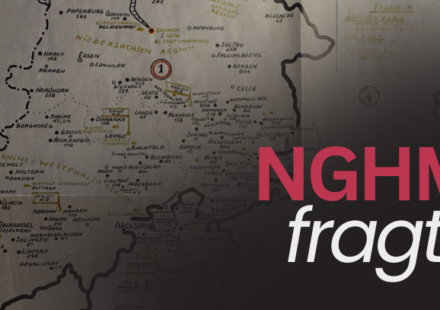
NGHM asks | Where can memorial sites for Displaced Persons actually be found in Germany?
Why this question? After liberation in May 1945, between 6.5 and 11 million "Displaced Persons" (DPs) were located in the territory of the western occupation zones of Germany. This category included former forced labourers, concentration camp prisoners,…
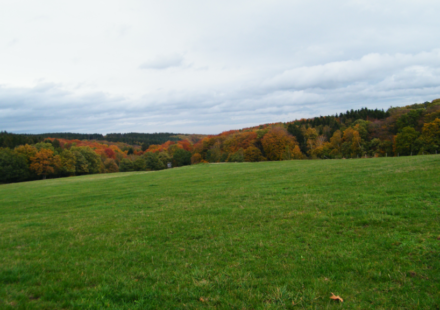
Research Revisited: Digital Exhibitions on the Hürtgen Forest Conflict Landscape
In the Research Revisited section, the NGHM team presents completed research projects and their results in an informal series. We begin with a retrospective look at digital exhibitions that we have developed in recent years within our projects at the…
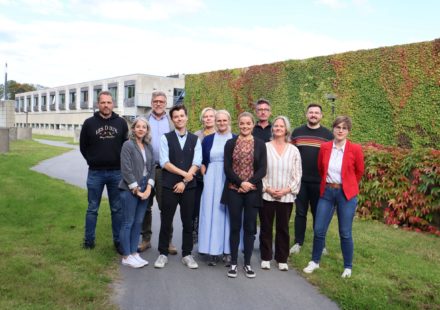
International Workshop on Agency and Forced Migration at the University of Southern Denmark
On September 25 and 26, Prof. Dr. Christoph Rass, Dr. Sebastian Huhn, Annika Heyen, and Jessica Wehner participated in the international workshop on Forced Migration and Agency at Southern University in Denmark, which was organized by Morten Baarvig…
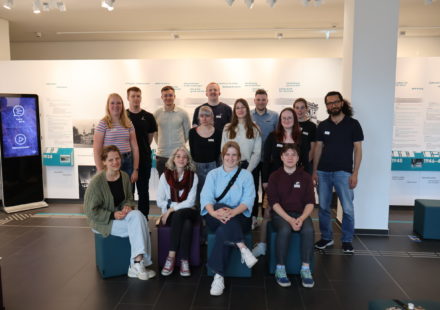
There and Back Again | Excursion to the ZeitZentrum Zivilcourage Hannover
Between Escape Room and Memory Culture: Right-wing Extremism Then and Now. An Approach at the ZeitZentrum Zivilcourage An Excursion Report by Manuel Büchner and Leonie Güneri Right-wing extremist tendencies and anti-democratic positions are no longer a…