There and Back Again | Conference Beyond the Category of “Displaced Person”. Diversity, Multiple Identities and Agency after 1945 on 9 and 10 November 2026

By Jessica Wehner · Originally published on nghm.hypotheses.org
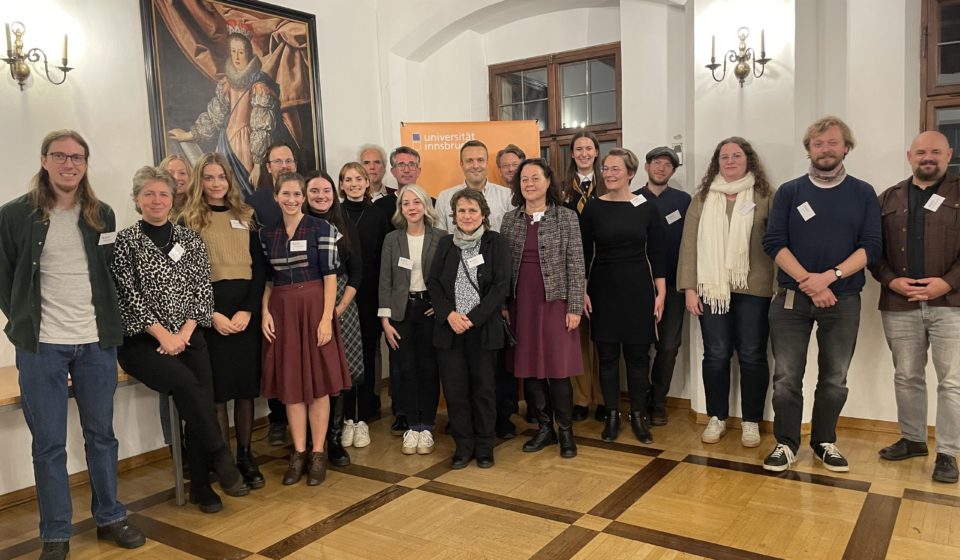
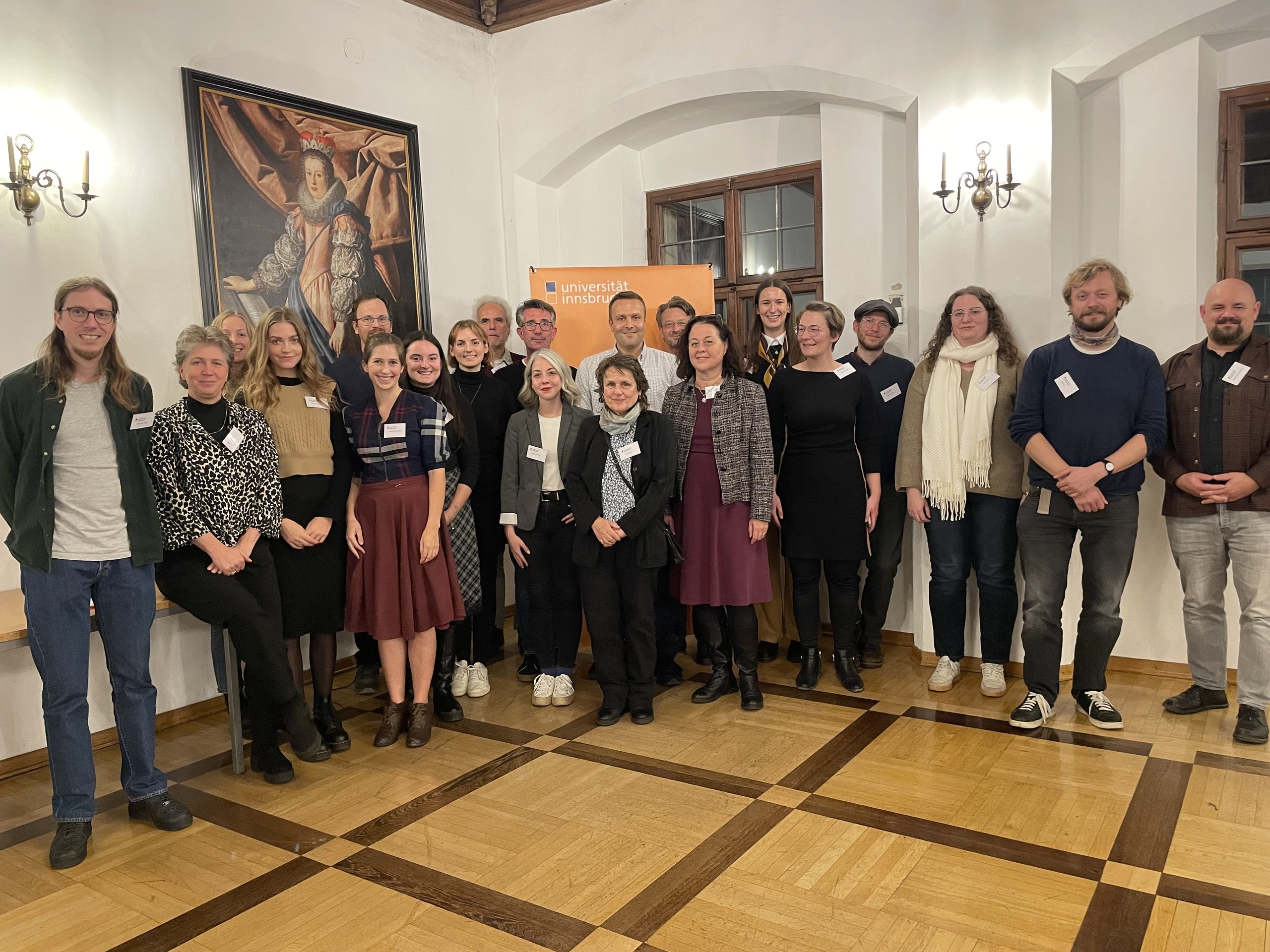
On 9 and 10 November, Sebastian Huhn and Jessica Wehner participated in the conference Beyond the Category of “Displaced Person”: Diversity, Multiple Identities and Agency after 1945, organised by Nikolaus Hagen, Philipp Strobl and Lara Castlunger.
According to the organisers, the conference was dedicated to the diversity of experiences, identities, and spaces of agency of people affected by persecution, flight, expulsion, and migration after 1945. At its centre were the possibilities and limitations of the category “Displaced Person” for research, as well as questions of agency, multiple affiliations, inclusion, and exclusion.
The aim of the conference was to bring current research approaches to the history of Displaced Persons and related groups into dialogue with one another, and to discuss new perspectives on diversity, identity, agency, and the historical construction of refugee and migrant categories after 1945. Particular attention was paid to biographical and micro-historical approaches, as well as transnational and history-of-knowledge perspectives, which can contribute to a more precise understanding of the complexity of experiences of displacement in the post-war period.
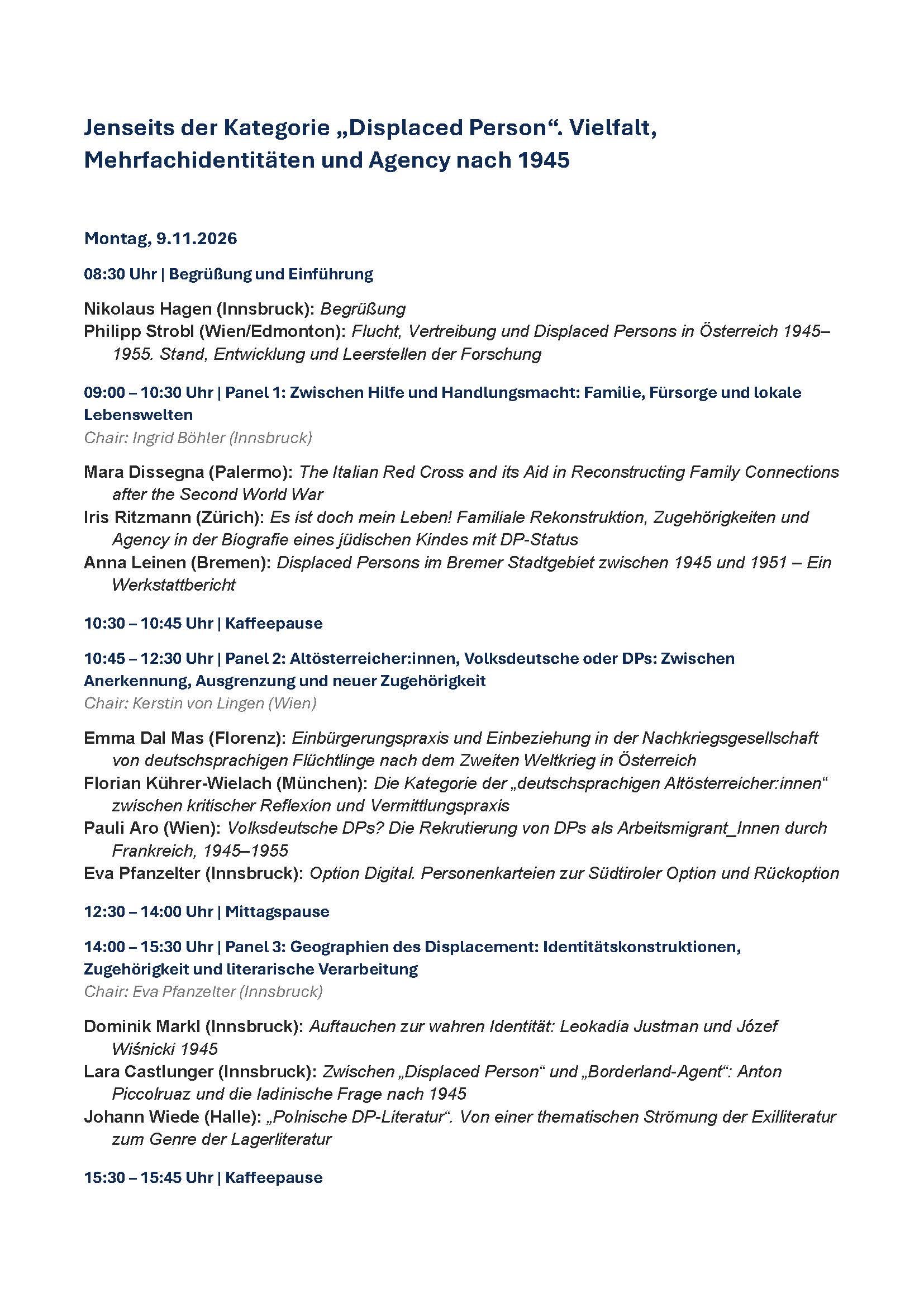
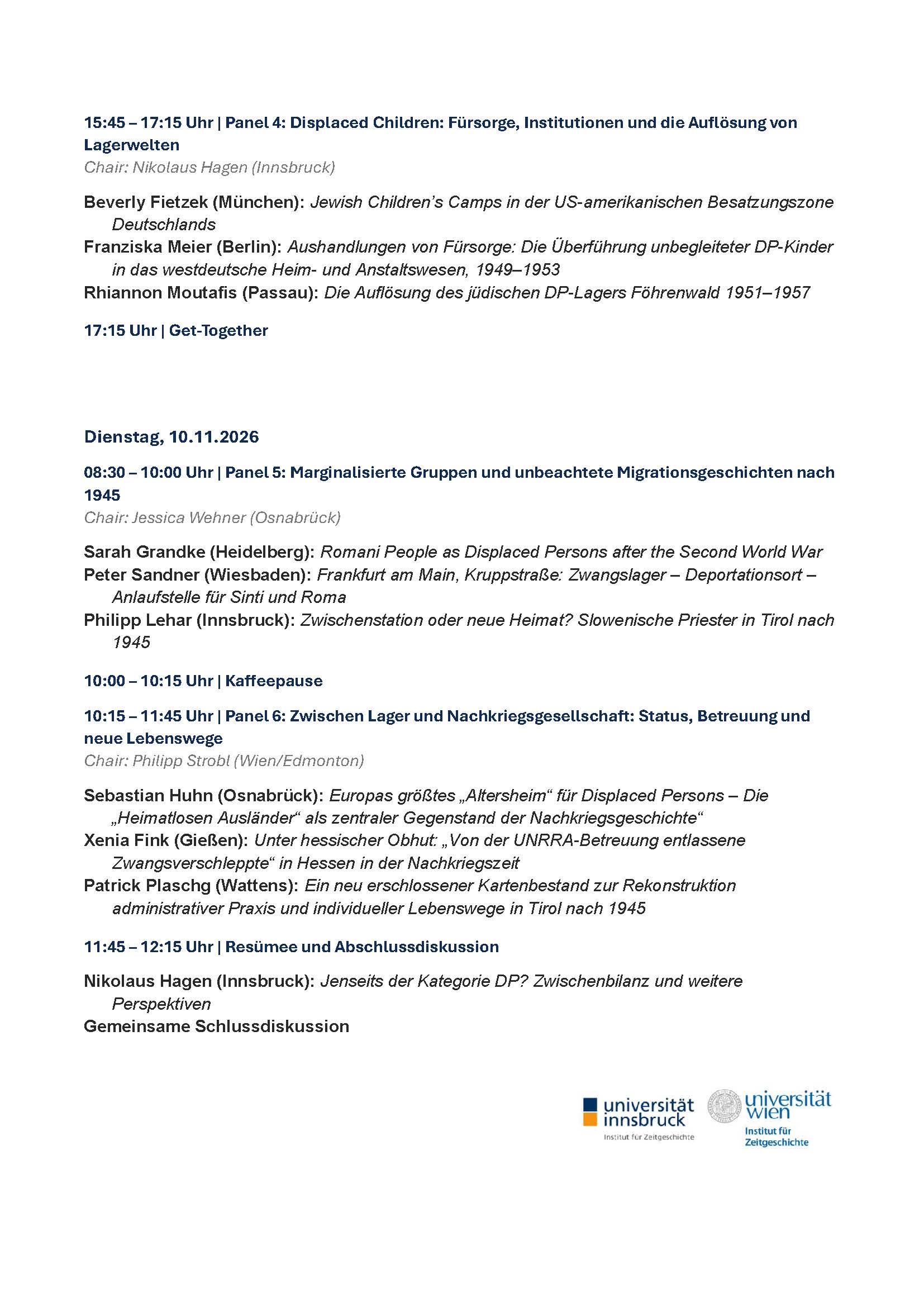
Sebastian Huhn presented his research findings on the care home in Varel in his paper “Europe’s Largest ‘Old People’s Home’ for Displaced Persons – The ‘Stateless Foreigners’ [Heimatlose Ausländer] as a Central Subject of Post-War History.” The British Control Commission and the IRO had opened the home in 1950, and until its closure in 1959 it housed up to approximately 1,000 elderly DPs at any one time. Using this site as his starting point, Sebastian Huhn argued that the history of DPs should not be seen as ending with the dissolution of the IRO in 1951, but rather understood as part of West German post-war and migration history, in which resentments, willingness to help, and a subsequent forgetting of the history of DPs in Germany can be observed in equal measure.
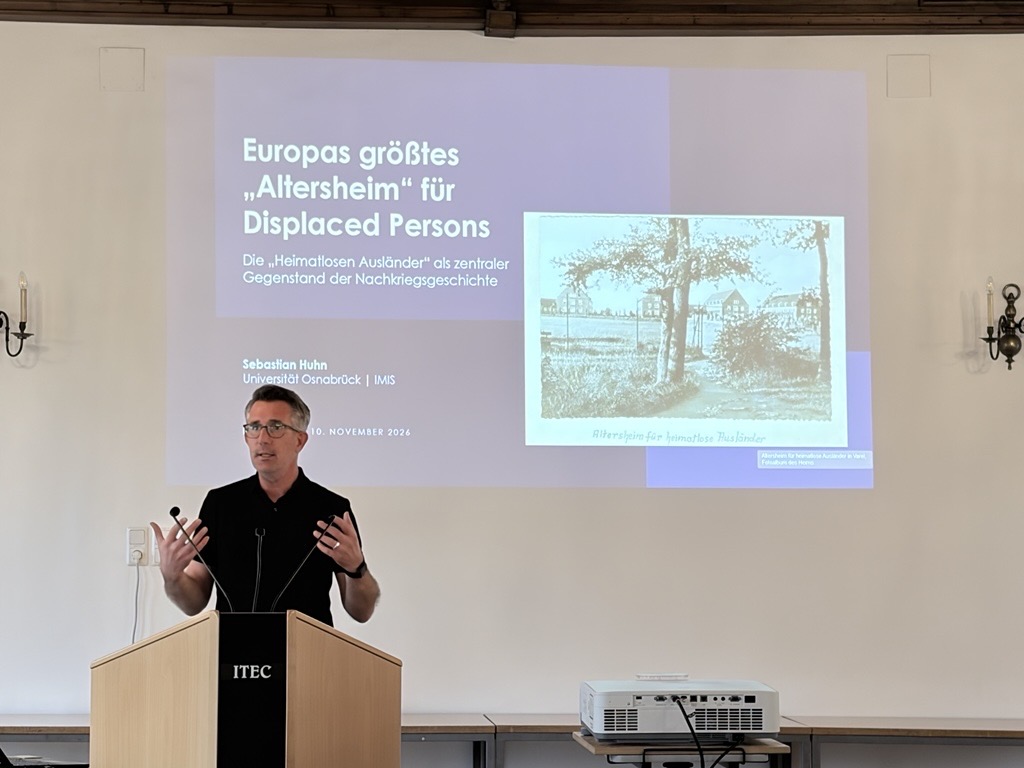
The exhibition developed as part of the project has been accessible since April at displacedpersonsvarel.nghm-uos.de.
Jessica Wehner chaired Panel 5, “Marginalised Groups and Overlooked Migration Histories after 1945.” The panellists were:
- Sarah Grandke (Heidelberg): Romani People as Displaced Persons after the Second World War
- Peter Sandner (Wiesbaden): Frankfurt am Main, Kruppstraße: Forced Camp – Site of Deportation – Point of Contact for Sinti and Roma
- Philipp Lehar (Innsbruck): Stopover or New Home? Slovenian Priests in Tyrol after 1945
The panel thus focused, among other things, on questions of how marginalised groups can be traced in archival holdings and how researchers handle situations in which family members decline to participate in inquiries.
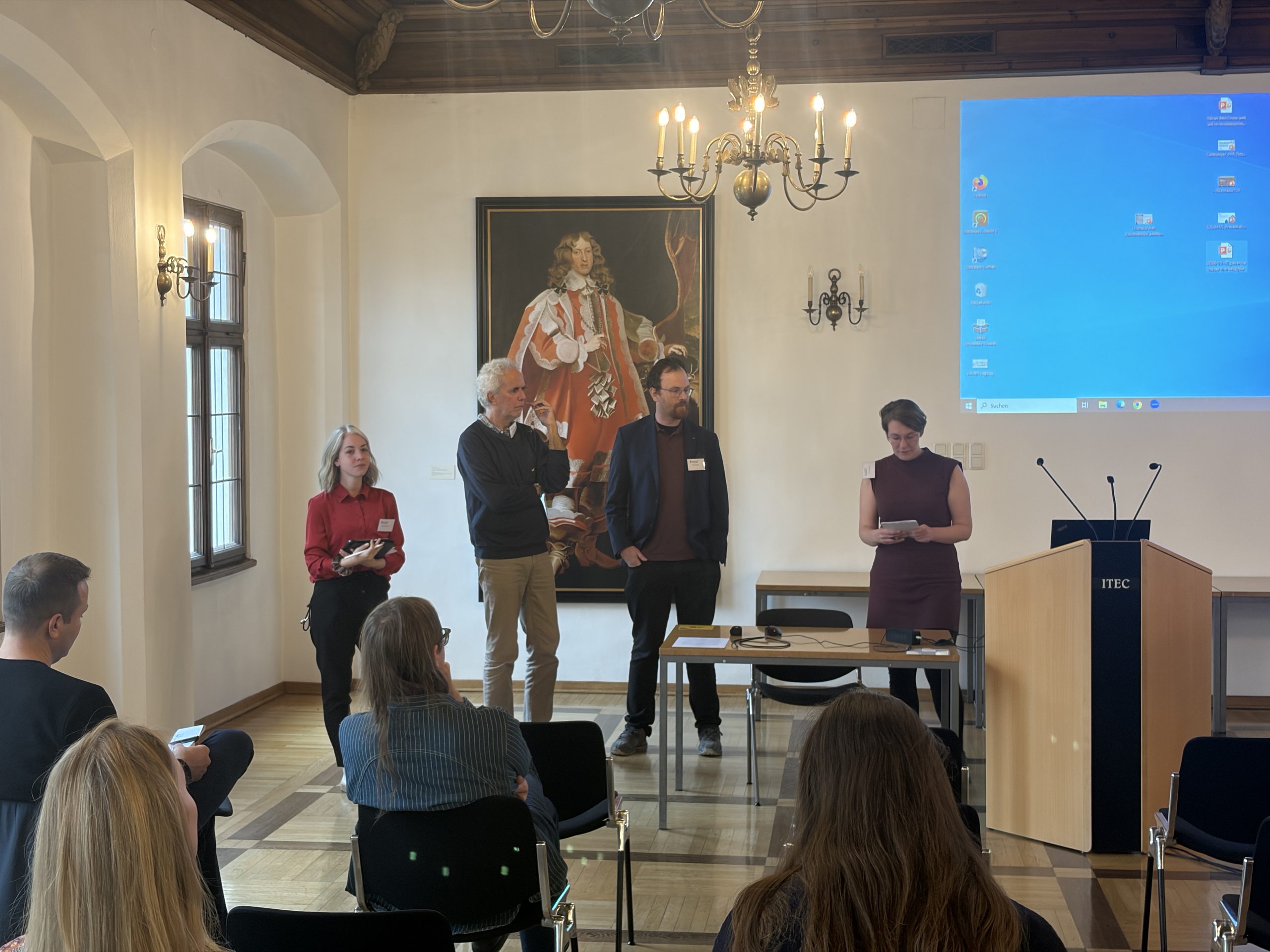
In a joint closing discussion, participants also discussed an initiative to resume the exchange and organisation of the Displaced Persons Network.
Find the original post at Hin und wieder zurück | Tagung Jenseits der Kategorie „Displaced Person“. Vielfalt, Mehrfachidentitäten und Agency nach 1945 am 9. und 10. November 2026 on nghm.hypotheses.org.
This post was automatically translated from the German original.